
One of the most frequently searched questions is “Is NAD a peptide?” Scientifically, the answer is no. Peptides and coenzymes belong to entirely different classes of biological molecules and serve distinct biological functions.
![Scientific infographic illustrating the molecular structure of Nad Peptide [Nicotinamide Adenine Dinucleotide (NAD⁺)], cellular energy metabolism, mitochondrial electron transport, redox reactions, ATP production, and molecular biology research.](https://www.nationalsciencelabs.co/wp-content/uploads/2026/06/nad-peptide-research-2026.jpg1_.webp)
One of the most frequently searched questions is “Is NAD a peptide?” Scientifically, the answer is no. Peptides and coenzymes belong to entirely different classes of biological molecules and serve distinct biological functions.
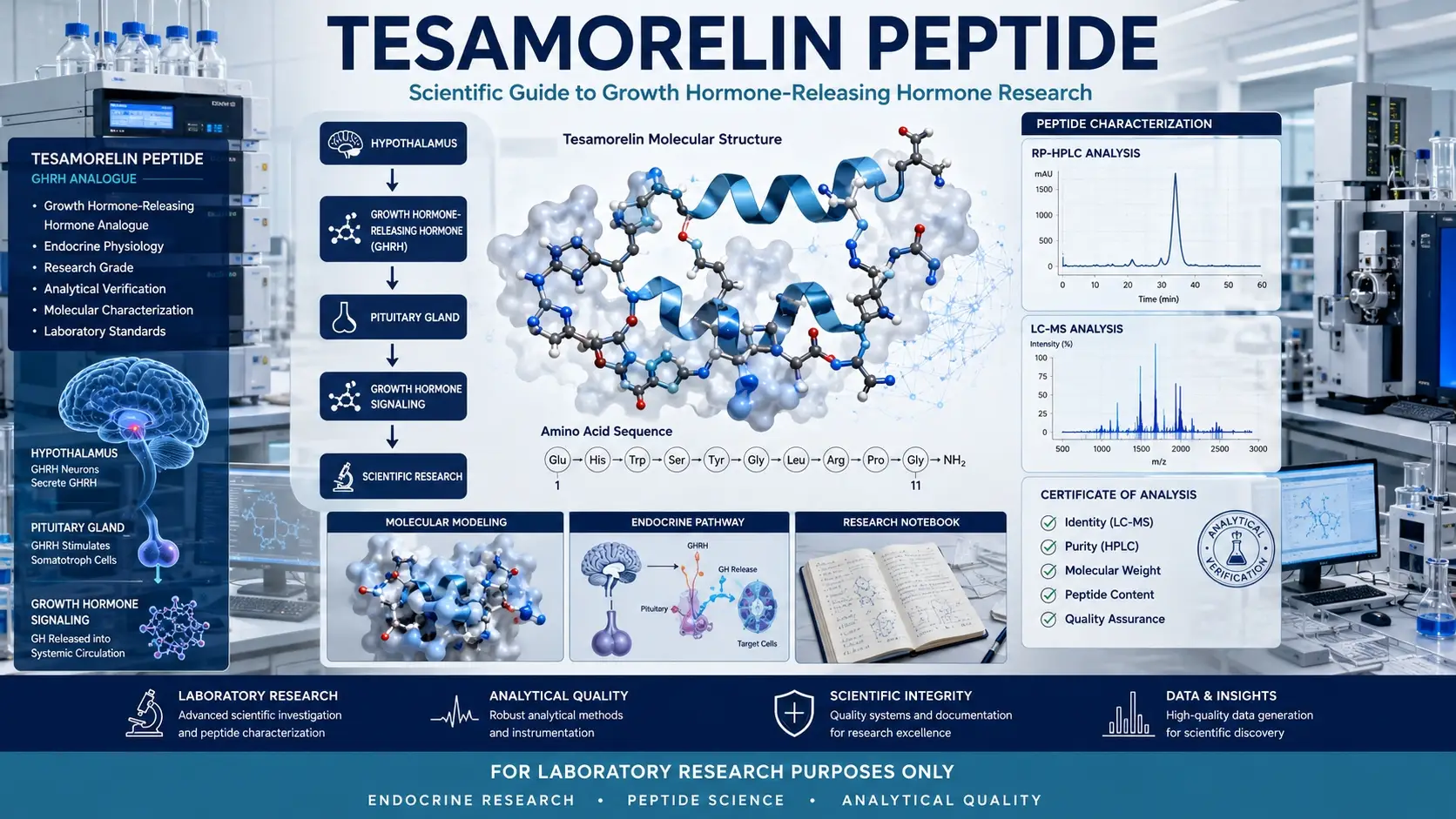
Tesamorelin peptide is a synthetic analogue of growth hormone-releasing hormone (GHRH) developed to investigate endocrine signaling and physiological growth hormone regulation.
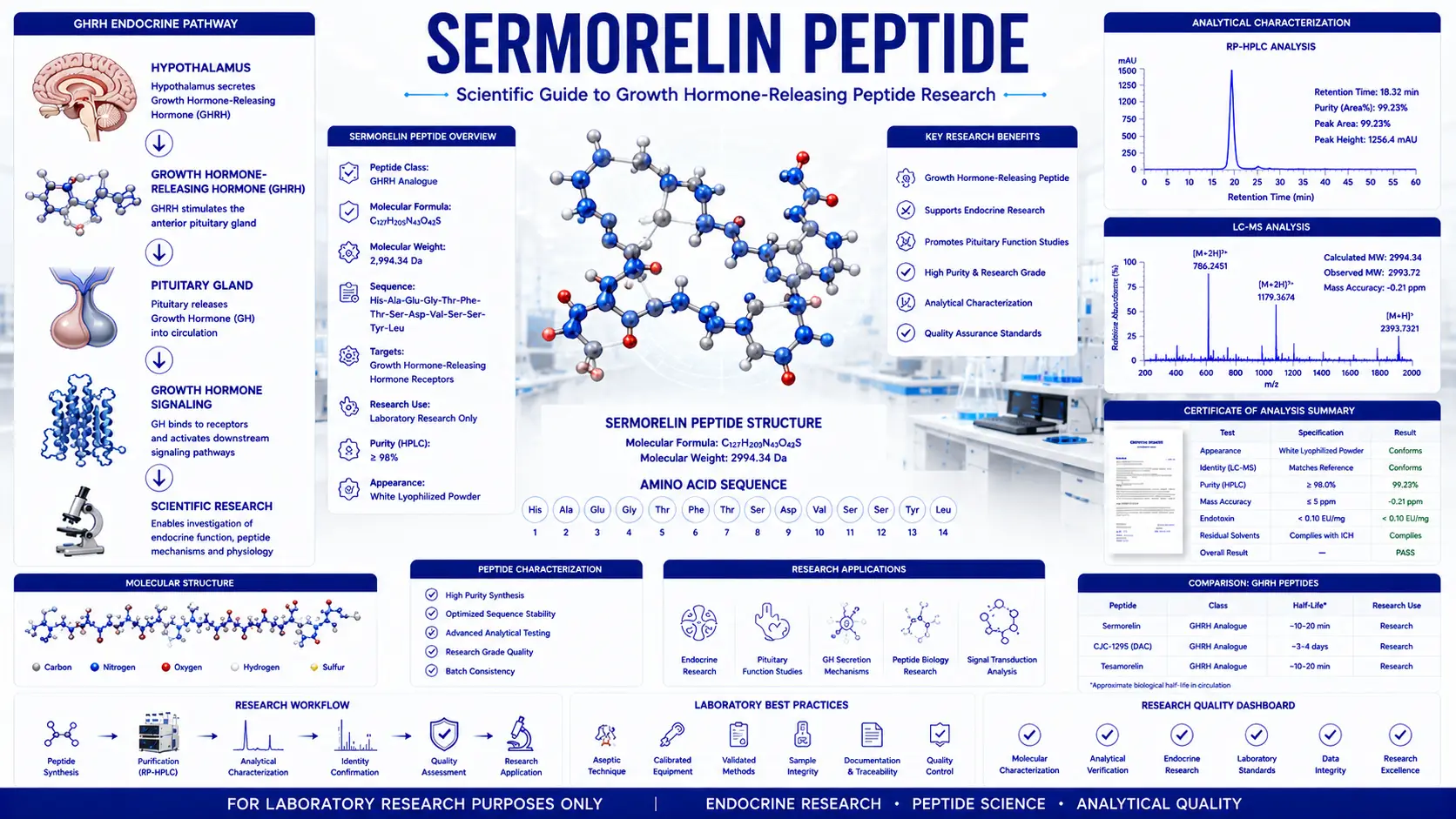
The primary scientific interest surrounding peptide Sermorelin lies in its interaction with the growth hormone-releasing hormone receptor located on somatotroph cells within the anterior pituitary.
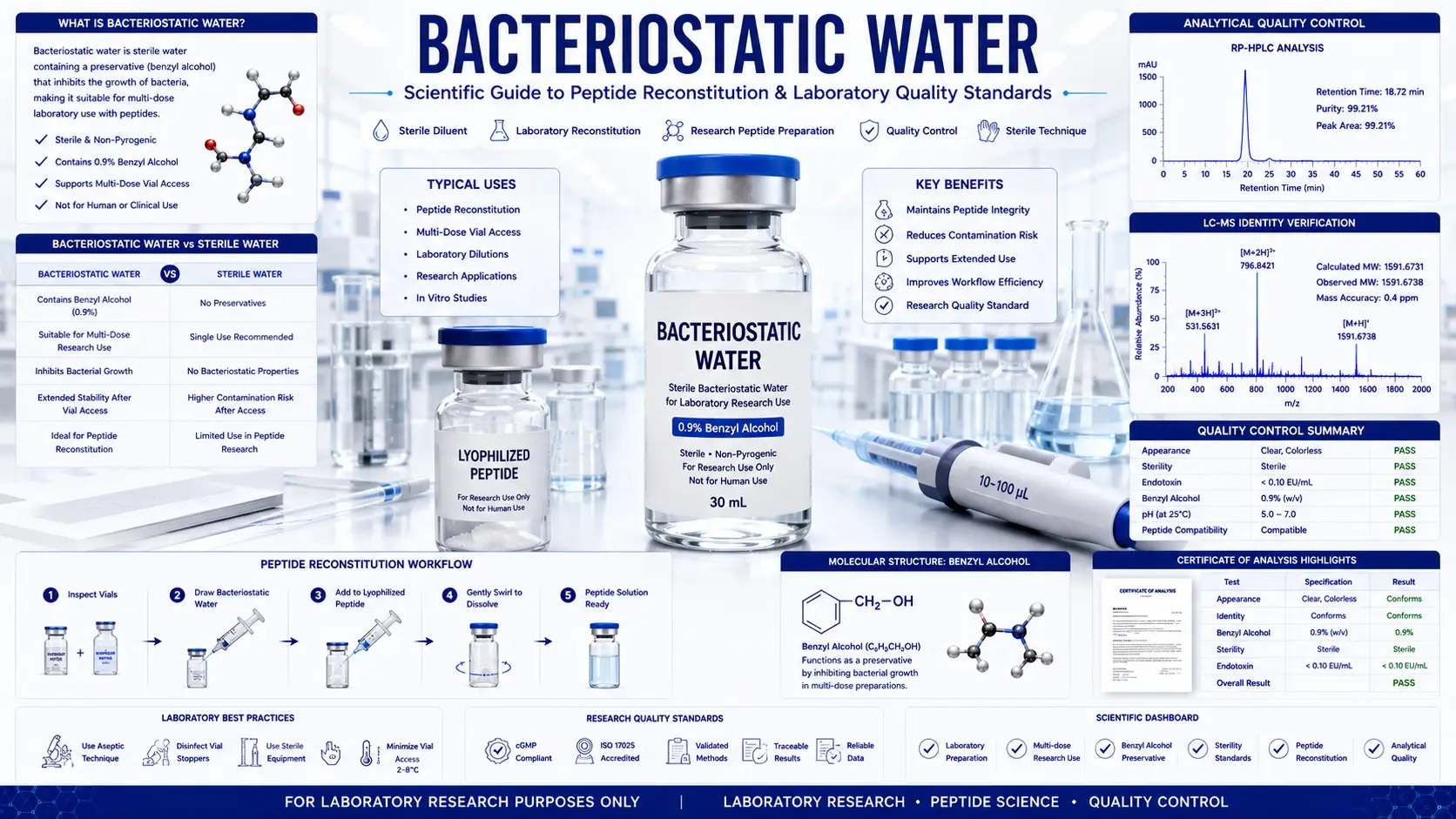
Researchers commonly use bacteriostatic water for peptides because its preservative system helps inhibit bacterial growth after initial entry into compatible multi-dose containers.
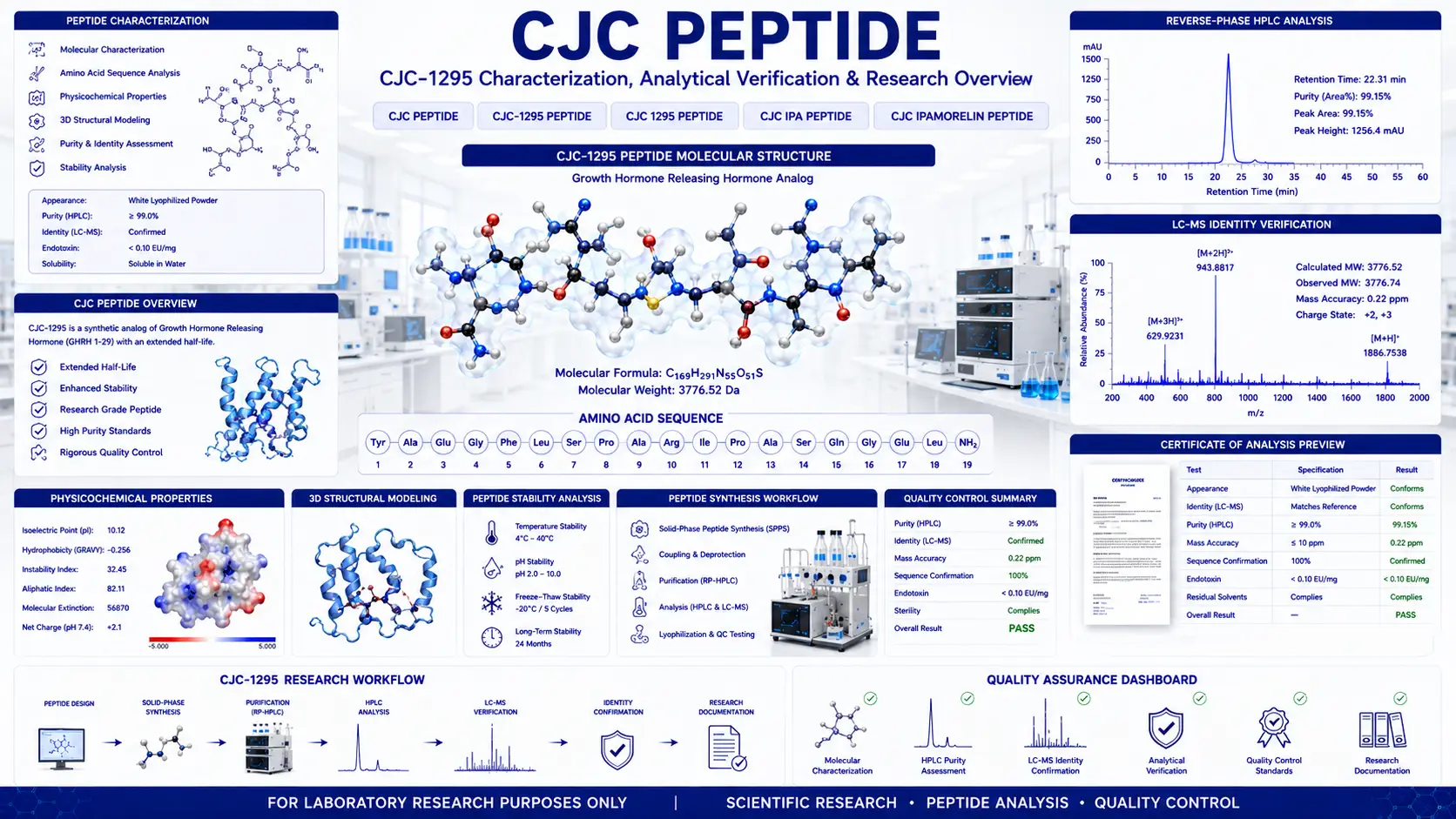
The development of CJC-1295 peptide emerged from broader scientific efforts to investigate growth hormone releasing hormone analogs and peptide signaling systems.
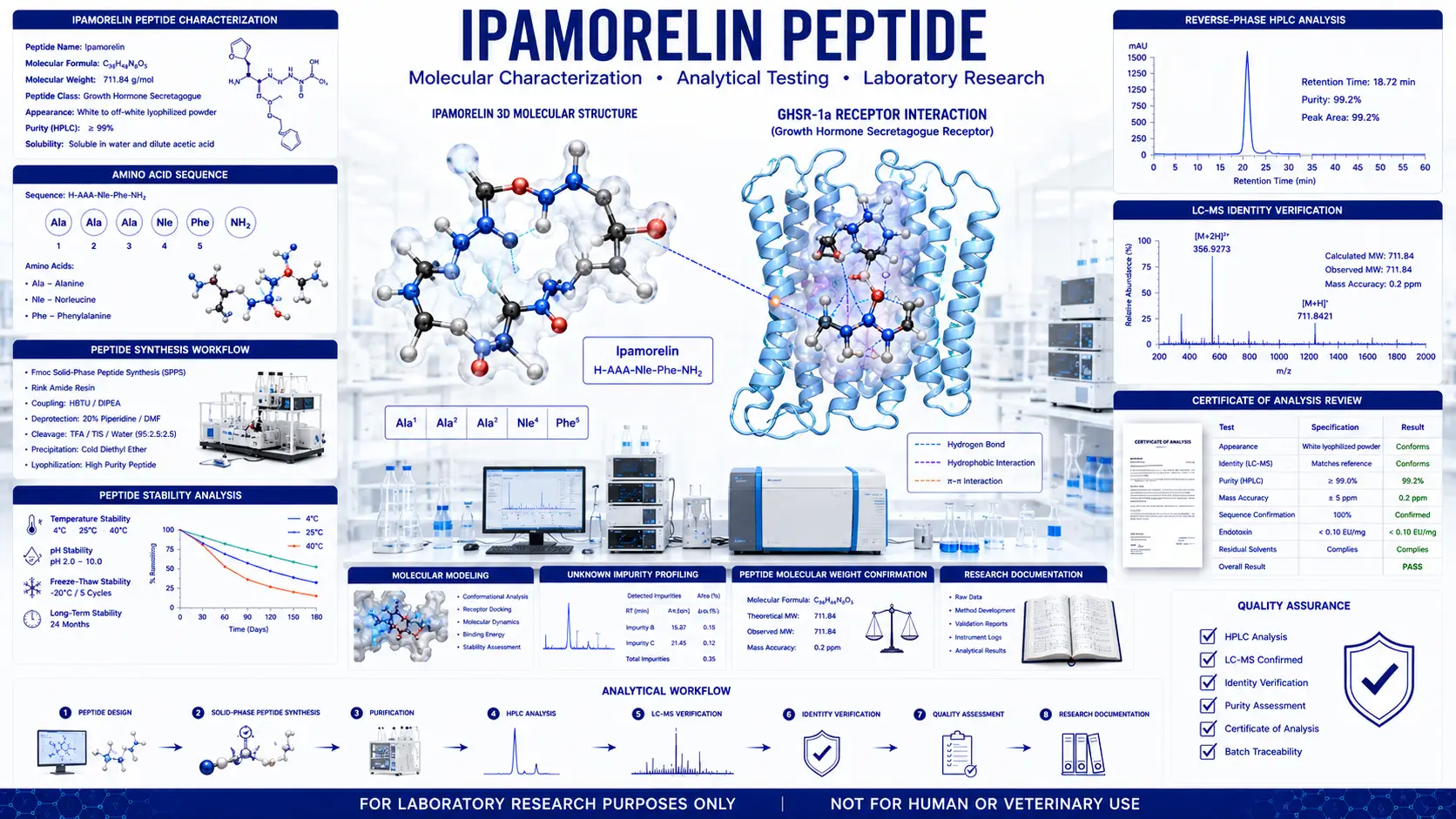
Ipamorelin Peptide has become a frequently discussed subject within peptide science because of its selective interaction with the growth hormone secretagogue receptor (GHSR-1a).
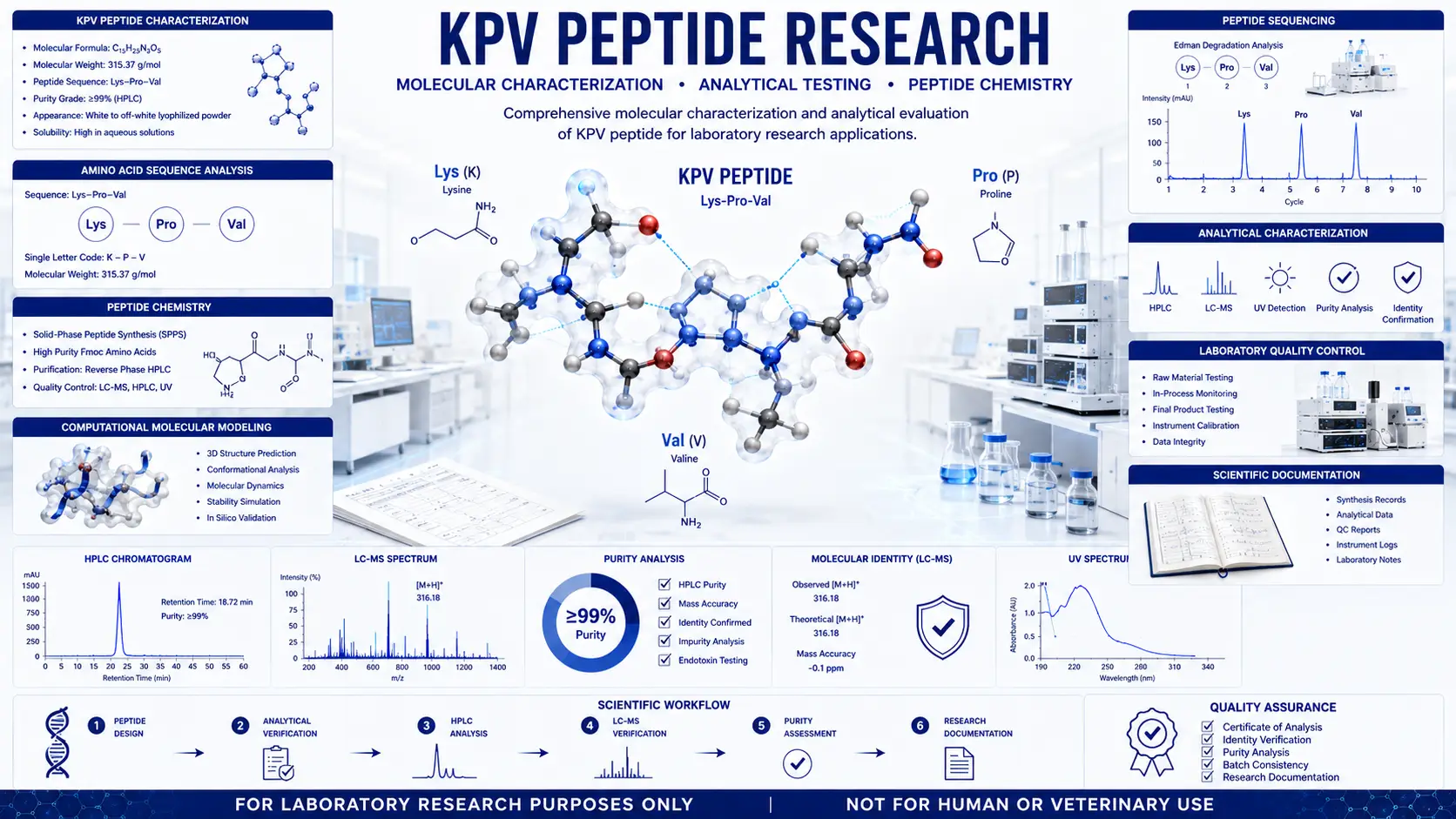
This guide explores Kpv Peptide from a laboratory research perspective, covering peptide chemistry, molecular characterization, analytical testing, computational modeling, research quality standards, and current scientific literature.
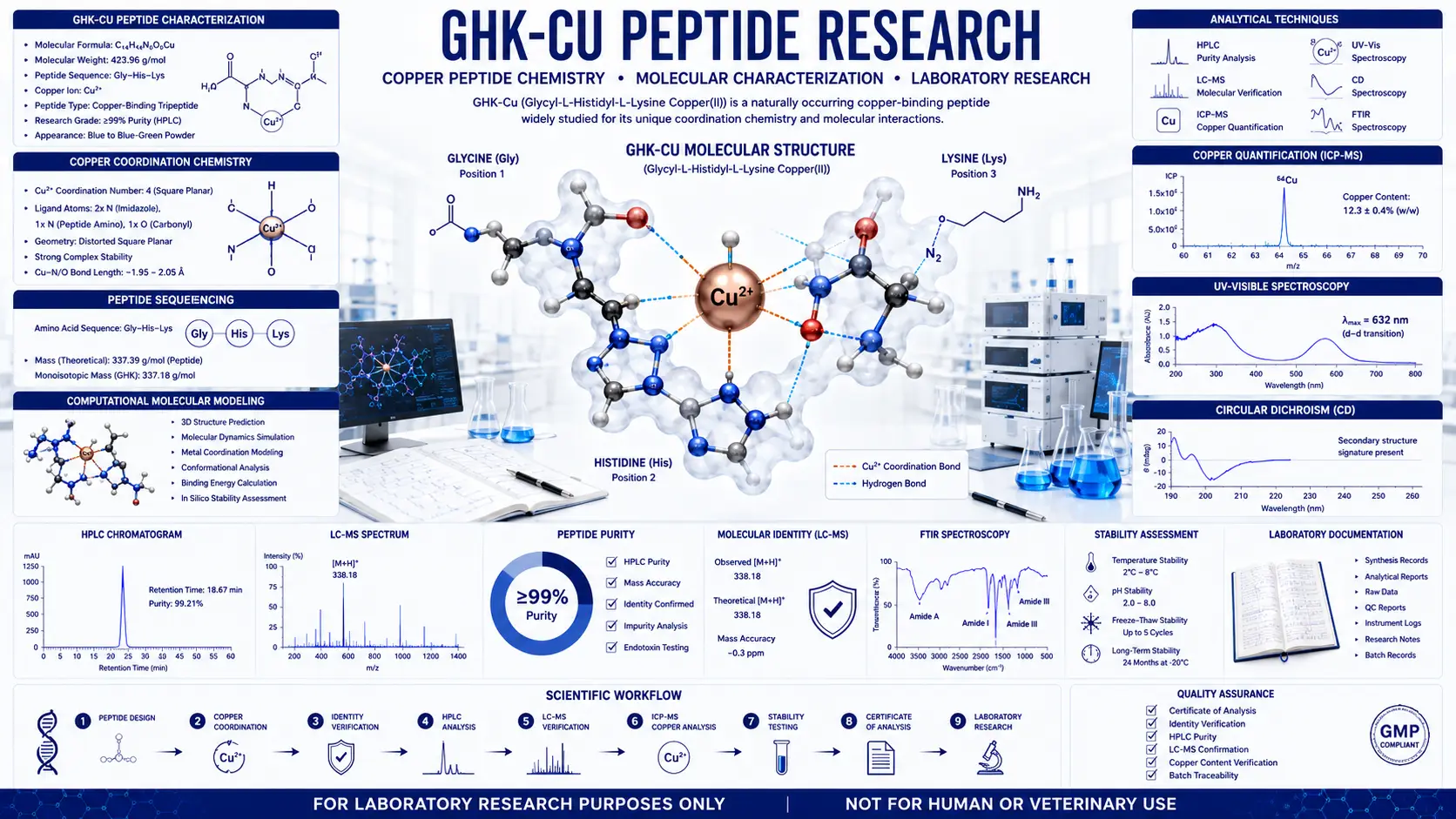
Ghkcu Peptide, commonly referred to as GHK-Cu Copper Peptide, is a synthetic copper-binding tripeptide that serves as an important subject in peptide chemistry, coordination chemistry, and molecular research.
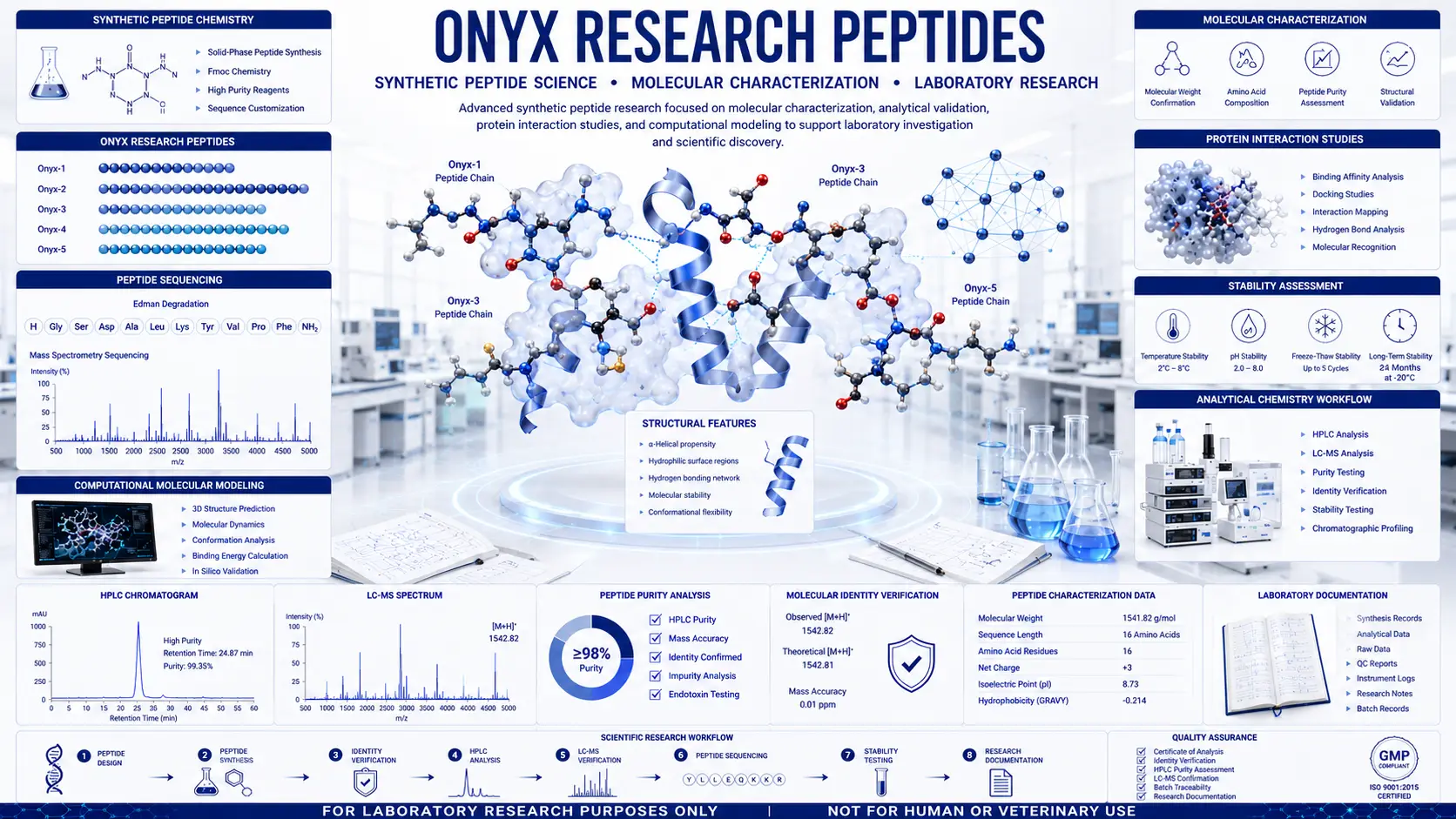
Aod9604 peptide is a synthetically engineered peptide derived from the C-terminal region of human growth hormone (GH), specifically based on the hgh fragment 176-191. Within scientific research, investigators study aod9604 peptide to better understand peptide chemistry, molecular structure, analytical characterization, receptor interactions, and physicochemical properties.
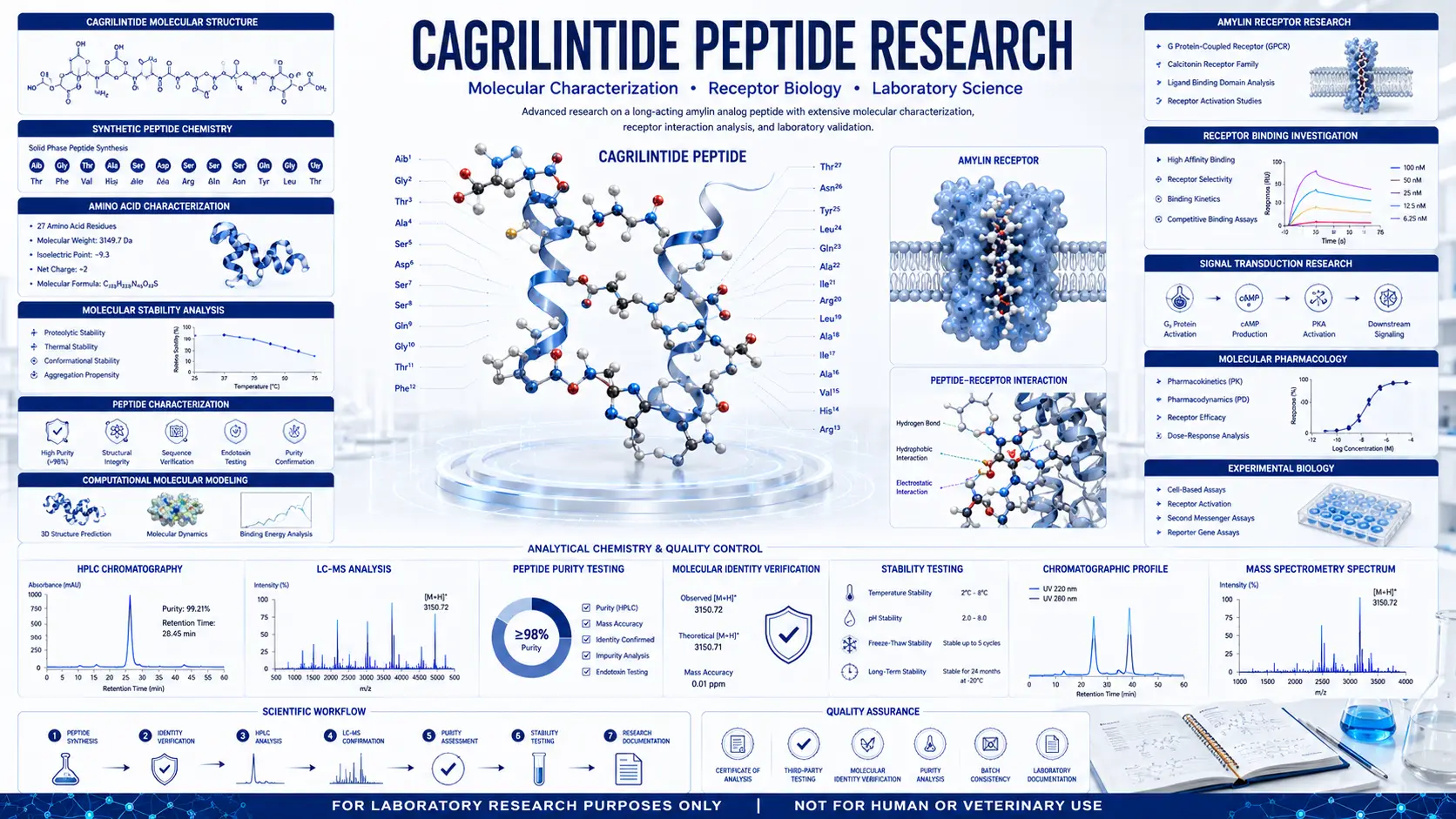
Cagrilintide Peptide is a synthetic, long-acting peptide analogue investigated in laboratory research to better understand peptide–receptor interactions, molecular signaling pathways, receptor biology, and peptide chemistry.