![Scientific infographic illustrating the molecular structure of Nad Peptide [Nicotinamide Adenine Dinucleotide (NAD⁺)], cellular energy metabolism, mitochondrial electron transport, redox reactions, ATP production, and molecular biology research.](https://www.nationalsciencelabs.co/wp-content/uploads/2026/06/nad-peptide-research-2026.jpg1_-1024x576.webp)
For Research Use Only. Not for human consumption. Educational content for laboratory research contexts.
Quick Answer
Is NAD a Peptide?
![Scientific infographic illustrating the molecular structure of Nad Peptide [Nicotinamide Adenine Dinucleotide (NAD⁺)], cellular energy metabolism, mitochondrial electron transport, redox reactions, ATP production, and molecular biology research.](https://www.nationalsciencelabs.co/wp-content/uploads/2026/06/nad-peptide-research-2026.jpg1_.webp)
Quick Answer
What Is This Research Topic?
NAD Peptide: Is NAD⁺ a Peptide? A Scientific Research Guide – 2026 is discussed here in a laboratory and literature context focused on nad peptide: is nad⁺ a peptide? a scientific research guide. The article summarizes molecular framing, analytical considerations, and study-design notes for research teams. Content is educational and limited to research-use interpretation rather than clinical or consumer guidance.
Table of Contents
No. Despite the popularity of search terms such as nad peptide and nad+ peptide, Nicotinamide Adenine Dinucleotide (NAD⁺) is not scientifically classified as a peptide. NAD⁺ is a naturally occurring coenzyme composed of two nucleotides joined by phosphate groups. It plays a central role in cellular metabolism, redox reactions, mitochondrial function, DNA repair, and numerous enzyme-mediated biological processes. Researchers continue to investigate NAD⁺ extensively in molecular biology, metabolism, aging biology, and bioenergetics, but it does not belong to the peptide family.
NAD Peptide Explained: Is NAD⁺ Really a Peptide? A Scientific Guide to Cellular Metabolism and Current Research
Scientific Snapshot
| Scientific Name | Nicotinamide Adenine Dinucleotide (NAD⁺) |
| Molecule Type | Coenzyme (Not a Peptide) |
| Primary Biological Role | Electron Carrier in Cellular Metabolism |
| Major Research Areas | Bioenergetics, Aging Biology, Metabolism & Molecular Biology |
| Research Status | Extensively Studied Cellular Coenzyme |
Quick Facts
| Chemical Classification | Pyridine Nucleotide Coenzyme |
| Found In | Virtually All Living Cells |
| Primary Function | Electron Transfer During Cellular Respiration |
| Key Biological Systems | Mitochondria, Cytoplasm & Cell Nucleus |
| Scientific Importance | Central Molecule in Cellular Bioenergetics |
Key Takeaways
- ✓NAD⁺ is a coenzyme involved in cellular metabolism and is not scientifically classified as a peptide.
- ✓Searches for nad peptide and nad+ peptide are common, but these terms generally refer to NAD⁺ research rather than an actual peptide molecule.
- ✓NAD⁺ participates in redox reactions that enable ATP production, mitochondrial function, and numerous enzyme-mediated biological processes.
- ✓Current research investigates NAD⁺ across metabolism, aging biology, DNA repair, systems biology, and cellular bioenergetics.
- ✓All scientific findings involving NAD⁺ continue to rely on rigorous biochemical analysis, metabolomics, and laboratory validation.
Table of Contents
Research Timeline
Since its discovery more than a century ago, NAD⁺ has become one of the most extensively studied molecules in biochemistry. Early investigations established its role as a cellular coenzyme, while modern molecular biology has expanded research into metabolism, mitochondrial function, aging biology, DNA repair, and systems biology. Today, NAD⁺ remains central to understanding how cells generate energy and maintain metabolic homeostasis.
| Period | Scientific Milestone |
|---|---|
| 1906–1930s | NAD identified as an essential cellular coenzyme involved in oxidation-reduction reactions. |
| 1950s–1980s | Major discoveries linking NAD⁺ to mitochondrial metabolism and ATP production. |
| 1990s–2010s | Research expands into sirtuins, DNA repair, and cellular signaling. |
| 2020s–2026 | Advanced metabolomics, systems biology, and precision molecular research continue expanding knowledge of NAD⁺ biology. |
Introduction
Searches for nad peptide, nad+ peptide, and nad peptides have grown substantially in recent years, yet these terms often create confusion because NAD⁺ is not actually a peptide. Scientifically, Nicotinamide Adenine Dinucleotide is a nucleotide-derived coenzyme that participates in fundamental cellular processes responsible for energy production and metabolic regulation.
Despite the terminology used in online searches, researchers investigate NAD⁺ primarily through the fields of biochemistry, metabolomics, molecular biology, and cellular physiology rather than peptide science. Understanding this distinction is important because peptides and coenzymes belong to entirely different classes of biological molecules with different chemical structures and biological functions.
This guide explains what NAD⁺ is, why it is often mistakenly referred to as a peptide, how it functions within cellular metabolism, and what current scientific research reveals about its biological importance from a laboratory and molecular biology perspective.
What Is NAD⁺?
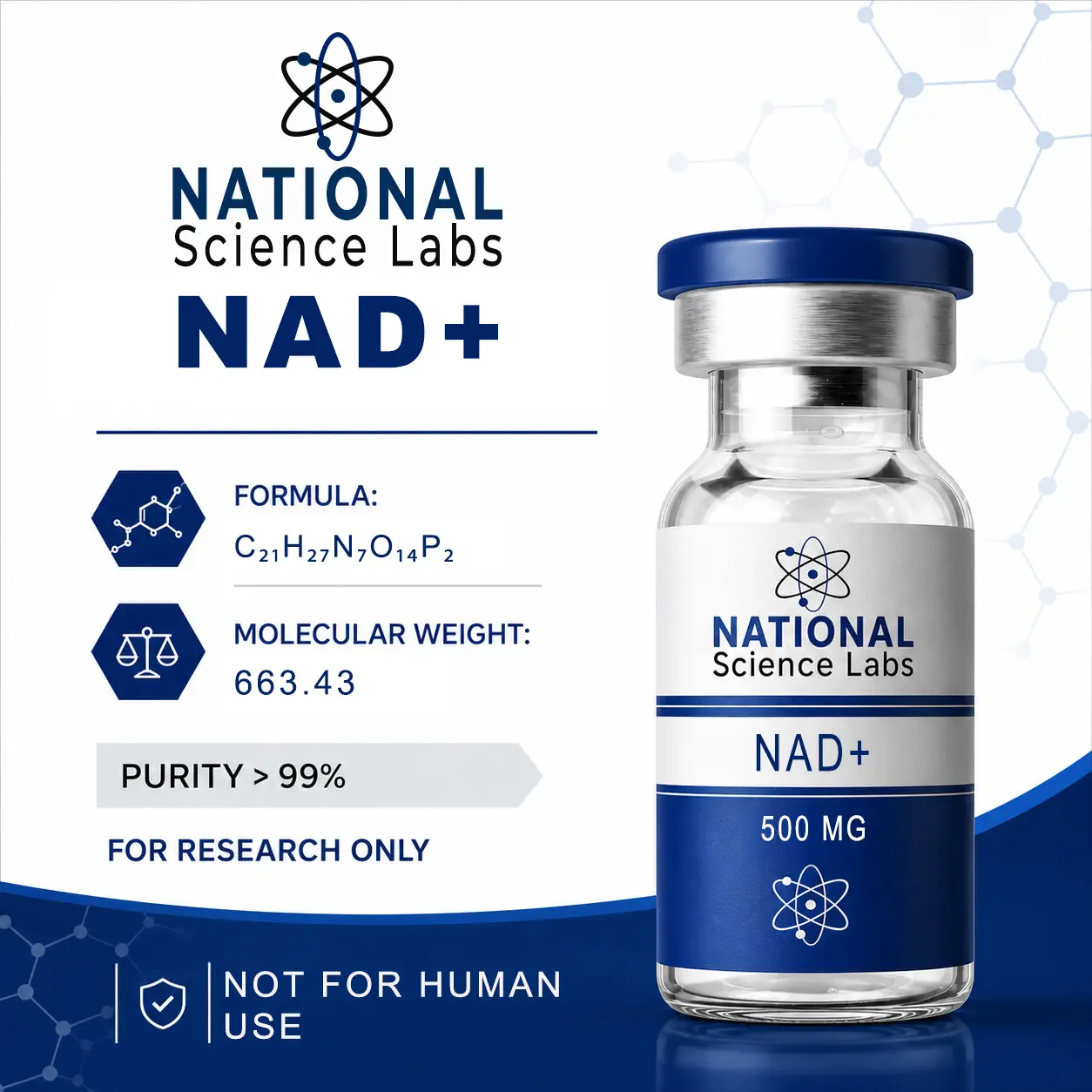
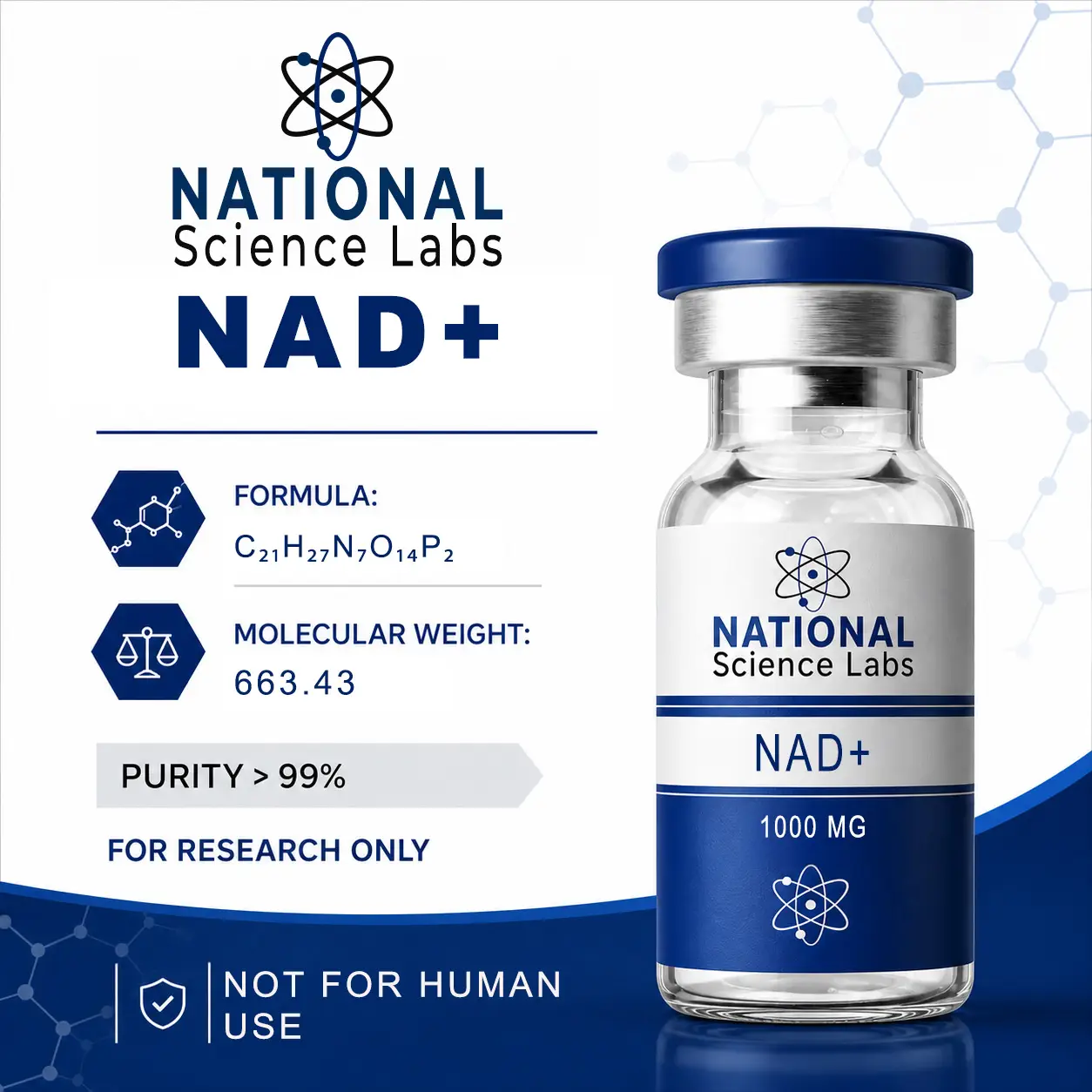
Nicotinamide Adenine Dinucleotide (NAD⁺) is one of the most important coenzymes found in living organisms. Present in virtually every cell, NAD⁺ participates in hundreds of enzymatic reactions that enable cells to convert nutrients into usable energy. Rather than functioning as a structural molecule, NAD⁺ acts as an electron carrier, transferring electrons between metabolic pathways that support cellular respiration and ATP production.
Chemically, NAD⁺ consists of two nucleotides connected through their phosphate groups—one containing adenine and the other nicotinamide. This unique molecular architecture distinguishes NAD⁺ from peptides, which are composed of amino acids linked by peptide bonds. Although search terms such as nad peptide and nad+ peptide are increasingly common, these phrases do not reflect the scientific classification of the molecule.
Researchers continue to investigate NAD⁺ because of its central role in bioenergetics, cellular signaling, oxidative metabolism, DNA repair, and numerous enzyme systems that maintain cellular homeostasis.
Why NAD⁺ Is Not a Peptide
One of the most frequently searched questions is “Is NAD a peptide?” Scientifically, the answer is no. Peptides and coenzymes belong to entirely different classes of biological molecules and serve distinct biological functions.
Peptides are short chains of amino acids connected by peptide bonds. Their biological activities depend on their amino acid sequence and three-dimensional structure. NAD⁺, in contrast, is a nucleotide-derived coenzyme that facilitates electron transfer during oxidation-reduction reactions. Rather than acting as a signaling peptide or structural protein fragment, NAD⁺ participates directly in metabolic pathways responsible for cellular energy production.
| Characteristic | NAD⁺ | Peptides |
|---|---|---|
| Molecular Class | Coenzyme | Short amino acid polymers |
| Building Blocks | Nucleotides | Amino acids |
| Primary Function | Electron transfer and metabolism | Signaling, regulation, structural and biological functions |
| Chemical Bonds | Phosphodiester linkage | Peptide bonds |
| Scientific Classification | Coenzyme | Biological peptide |
Research Insight
“NAD Peptide” Is a Search Term—Not a Scientific Classification
Researchers recognize that terms such as nad peptide, nad+ peptide, and nad peptides are widely used in online searches. However, peer-reviewed scientific literature consistently classifies NAD⁺ as a coenzyme involved in cellular metabolism rather than a peptide. Understanding this distinction helps ensure accurate interpretation of biochemical research.
NAD⁺ vs Peptides: Understanding the Biological Difference
Although both NAD⁺ and peptides contribute to normal cellular physiology, they operate through fundamentally different mechanisms. NAD⁺ functions primarily as a metabolic cofactor that transfers electrons during oxidation-reduction reactions, whereas peptides generally interact with receptors, enzymes, or structural components to regulate diverse biological processes.
Because their chemistry differs so substantially, scientists typically study NAD⁺ using biochemical and metabolomic approaches, while peptide research focuses on peptide synthesis, receptor biology, molecular pharmacology, and structural characterization.
| Research Area | NAD⁺ Research | Peptide Research |
|---|---|---|
| Primary Discipline | Biochemistry | Peptide Chemistry |
| Major Focus | Cellular metabolism | Protein and receptor interactions |
| Analytical Methods | Metabolomics, LC-MS | RP-HPLC, LC-MS, peptide sequencing |
| Typical Biological Role | Energy metabolism | Cell signaling and regulation |
NAD⁺ and Cellular Metabolism
The principal biological function of NAD⁺ is participation in oxidation-reduction reactions that sustain cellular metabolism. During glycolysis, the tricarboxylic acid (TCA) cycle, and oxidative phosphorylation, NAD⁺ accepts electrons to form NADH. These electrons are subsequently transferred through the mitochondrial electron transport chain, contributing to ATP synthesis and overall cellular bioenergetics.
Beyond energy production, NAD⁺ serves as a substrate for multiple enzyme families involved in cellular regulation, including sirtuins, poly(ADP-ribose) polymerases (PARPs), and cyclic ADP-ribose synthases. These pathways have become major areas of investigation in molecular biology, metabolism, and aging research.
Why Researchers Continue Studying NAD⁺
Searches for nad peptide benefits and nad+ peptide benefits typically reflect interest in the biological importance of NAD⁺ rather than the properties of a peptide. From a scientific perspective, researchers investigate NAD⁺ because of its involvement in cellular energy metabolism, mitochondrial biology, oxidative stress responses, DNA repair mechanisms, and intracellular signaling networks. These investigations seek to better understand fundamental cellular processes rather than establish conclusions for clinical or therapeutic use.
As analytical technologies continue to improve, metabolomics, systems biology, and molecular imaging are providing increasingly detailed insights into how NAD⁺ participates in complex biochemical networks across diverse cell types and physiological conditions.
Did You Know?
Every Living Cell Depends on NAD⁺
NAD⁺ is found in virtually every living organism, from bacteria to humans. Its evolutionary conservation reflects its fundamental importance in cellular energy production and metabolic regulation, making it one of the most extensively studied coenzymes in modern biochemistry.
Key Takeaway
Although many people search for nad peptide and nad+ peptide, NAD⁺ is scientifically classified as a coenzyme rather than a peptide. Its central role in cellular metabolism, electron transport, and enzyme regulation continues to make it one of the most important molecules studied in modern biochemistry and molecular biology.
Understanding NAD⁺ Research and Biological Functions
Searches for nad peptide benefits, nad+ peptide benefits, and nad+ peptides generally reflect interest in the biological importance of Nicotinamide Adenine Dinucleotide rather than an actual peptide molecule. From a scientific perspective, researchers investigate NAD⁺ because it participates in numerous biochemical processes that are fundamental to cellular function.
Current research focuses on understanding how NAD⁺ contributes to energy metabolism, mitochondrial activity, cellular signaling, DNA repair, oxidative stress responses, and enzyme regulation. These investigations aim to explain basic biological mechanisms rather than establish therapeutic conclusions, making NAD⁺ one of the most extensively studied cofactors in modern molecular biology.
Accordingly, discussions surrounding nad peptide benefits should be interpreted within the context of laboratory research on NAD⁺ biology rather than as evidence supporting a peptide-based mechanism.
NAD⁺ and Mitochondrial Biology
Mitochondria are responsible for producing the majority of cellular ATP through oxidative phosphorylation, and NAD⁺ serves as one of the central electron carriers within this process. During glycolysis and the tricarboxylic acid (TCA) cycle, NAD⁺ accepts electrons to form NADH. These high-energy electrons are subsequently transferred through the mitochondrial electron transport chain, driving ATP synthesis and sustaining cellular bioenergetics.
Because mitochondrial function influences virtually every metabolically active cell, researchers continue to investigate how NAD⁺ availability affects cellular respiration, metabolic flexibility, and biochemical homeostasis across diverse biological systems.
| Metabolic Stage | Role of NAD⁺ | Scientific Importance |
|---|---|---|
| Glycolysis | Accepts electrons | Supports glucose metabolism |
| TCA Cycle | Forms NADH | Captures metabolic energy |
| Electron Transport Chain | Transfers electrons | Drives ATP synthesis |
| Oxidative Phosphorylation | Supports proton gradient formation | Cellular bioenergetics |
Research Insight
NAD⁺ Functions as an Electron Carrier Rather Than a Signaling Peptide
Unlike peptides that typically interact with receptors to initiate signaling pathways, NAD⁺ primarily participates in oxidation-reduction reactions that enable cellular energy production. This biochemical distinction is fundamental to understanding why NAD⁺ is classified as a coenzyme rather than a peptide.
NAD⁺ in Redox Biology
Redox reactions involve the transfer of electrons between molecules and are essential for maintaining cellular metabolism. NAD⁺ alternates between its oxidized form (NAD⁺) and reduced form (NADH), enabling continuous electron transport throughout metabolic pathways. This reversible conversion makes NAD⁺ one of the most important cofactors in biochemical energy transformation.
Researchers continue investigating how fluctuations in intracellular NAD⁺ levels influence metabolic adaptation, mitochondrial efficiency, oxidative stress responses, and broader systems biology. These studies contribute to a deeper understanding of cellular physiology without implying direct clinical applications.
NAD⁺-Dependent Enzyme Systems
Beyond its role in electron transport, NAD⁺ serves as an essential substrate for several enzyme families that regulate diverse cellular processes. These include sirtuins, poly(ADP-ribose) polymerases (PARPs), and cyclic ADP-ribose synthases (CD38 family), all of which are active areas of molecular biology research.
| Enzyme Family | Relationship with NAD⁺ | Research Focus |
|---|---|---|
| Sirtuins | Require NAD⁺ for enzymatic activity | Cellular regulation and metabolism |
| PARPs | Consume NAD⁺ during catalytic reactions | DNA damage response |
| CD38 Enzymes | Metabolize NAD⁺ | Cell signaling research |
Current Areas of NAD⁺ Research
Modern investigations extend well beyond classical biochemistry. Scientists are using metabolomics, systems biology, structural biology, computational modeling, and single-cell analytical techniques to better understand how NAD⁺ contributes to complex biological networks. These interdisciplinary approaches continue expanding knowledge of metabolic regulation across diverse organisms and experimental models.
Because NAD⁺ participates in numerous interconnected pathways, it remains one of the most actively investigated molecules in contemporary cellular biology and biochemical research.
Did You Know?
NAD⁺ Participates in Hundreds of Enzyme-Catalyzed Reactions
Rather than serving a single biological function, NAD⁺ acts as a universal metabolic cofactor across numerous biochemical pathways. Its widespread involvement in cellular metabolism explains why it has remained a central focus of molecular biology research for decades.
Key Takeaway
Current scientific research investigates NAD⁺ because of its indispensable role in cellular metabolism, mitochondrial biology, redox chemistry, and enzyme regulation. Although commonly searched as a “NAD peptide,” the molecule is scientifically recognized as a coenzyme that supports fundamental biochemical processes across virtually all living cells.
NAD⁺ Biosynthesis and Cellular Recycling
Unlike peptides, which are synthesized through ribosomal translation of amino acids, NAD⁺ is produced through highly regulated metabolic pathways that continuously synthesize, recycle, and maintain intracellular NAD⁺ concentrations. Because NAD⁺ participates in numerous enzyme-catalyzed reactions, cells must constantly replenish their NAD⁺ pool to sustain normal metabolic activity.
Researchers generally describe three principal biosynthetic routes: the de novo pathway, the Preiss–Handler pathway, and the salvage pathway. Although each pathway utilizes different biochemical precursors, all ultimately contribute to maintaining cellular NAD⁺ homeostasis.
Major NAD⁺ Biosynthesis Pathways
Modern biochemical research has identified multiple interconnected pathways responsible for NAD⁺ synthesis. These pathways enable cells to adapt to changing metabolic demands while maintaining sufficient coenzyme availability for energy metabolism and enzymatic regulation.
| Pathway | Primary Precursor | Scientific Importance |
|---|---|---|
| De Novo Pathway | Tryptophan | Generates NAD⁺ through multi-step biosynthesis |
| Preiss–Handler Pathway | Nicotinic Acid | Alternative biosynthetic route |
| Salvage Pathway | Nicotinamide | Recycles NAD⁺ efficiently within cells |
Among these pathways, the salvage pathway has attracted particular scientific interest because it efficiently regenerates NAD⁺ from nicotinamide generated during normal cellular metabolism. This recycling mechanism contributes substantially to maintaining intracellular NAD⁺ concentrations.
Research Insight
Cells Constantly Recycle NAD⁺ Rather Than Continuously Creating It From Scratch
One of the defining characteristics of NAD⁺ metabolism is its highly efficient recycling system. Salvage pathways recover metabolic intermediates and convert them back into functional NAD⁺, helping cells maintain metabolic stability while minimizing energy expenditure.
How Researchers Measure NAD⁺ in the Laboratory
Accurate measurement of intracellular NAD⁺ concentrations is essential for biochemical and metabolomic research. Because NAD⁺ participates in dynamic metabolic processes, analytical methods must provide high sensitivity, specificity, and reproducibility. Modern laboratories therefore combine advanced analytical chemistry with rigorous quality control procedures to quantify NAD⁺ and related metabolites.
| Analytical Method | Primary Application | Scientific Advantage |
|---|---|---|
| LC-MS | Quantitative metabolomics | High sensitivity and molecular specificity |
| LC-MS/MS | Targeted metabolite analysis | Excellent analytical accuracy |
| Enzymatic Cycling Assays | Relative NAD⁺ quantification | High-throughput laboratory analysis |
| Metabolomics Platforms | Comprehensive metabolic profiling | Multi-metabolite investigation |
Quality Control in NAD⁺ Research
Reliable biochemical research depends upon standardized analytical procedures and rigorous quality assurance. Because NAD⁺ concentrations can change rapidly during sample collection and processing, laboratories employ carefully validated protocols to minimize degradation and preserve analytical accuracy.
Researchers routinely evaluate instrument calibration, internal standards, extraction efficiency, sample stability, analytical precision, and reproducibility before interpreting experimental findings. These quality measures improve confidence in metabolomic datasets while facilitating comparison across independent laboratories.
Current Challenges in NAD⁺ Research
Despite decades of investigation, many aspects of NAD⁺ biology remain active areas of research. Scientists continue exploring how intracellular NAD⁺ pools differ among tissues, how metabolic networks regulate coenzyme availability, and how cellular responses vary under different physiological conditions. These complex interactions require increasingly sophisticated analytical methods capable of integrating metabolomics, transcriptomics, proteomics, and systems biology.
As laboratory technologies continue advancing, researchers are improving quantitative measurement techniques while developing computational models that better represent the dynamic nature of cellular metabolism. These multidisciplinary approaches are expected to deepen scientific understanding of NAD⁺ biology over the coming years.
Did You Know?
Modern Metabolomics Can Measure Hundreds of Cellular Metabolites Simultaneously
High-resolution mass spectrometry enables researchers to investigate NAD⁺ alongside numerous interconnected metabolic intermediates within a single experiment, providing a systems-level view of cellular metabolism rather than examining individual molecules in isolation.
Key Takeaway
Modern NAD⁺ research integrates biochemistry, metabolomics, analytical chemistry, and systems biology to investigate how this essential coenzyme is synthesized, recycled, and regulated within living cells. Advanced laboratory techniques such as LC-MS and metabolomic profiling continue improving our understanding of NAD⁺ biology while reinforcing the importance of rigorous analytical validation.
Current Scientific Consensus
Current scientific evidence consistently recognizes Nicotinamide Adenine Dinucleotide (NAD⁺) as one of the most fundamental coenzymes in cellular biology. Rather than functioning as a peptide, NAD⁺ serves as an essential metabolic cofactor that participates in energy production, oxidation-reduction reactions, enzyme regulation, and intracellular signaling across virtually all living organisms.
Peer-reviewed research from biochemistry, metabolomics, molecular biology, and systems biology continues to expand scientific understanding of NAD⁺ metabolism. While considerable progress has been made, researchers agree that many aspects of NAD⁺ regulation remain active areas of investigation, particularly regarding cellular compartmentalization, metabolic adaptation, and interactions with complex biological networks.
Emerging Directions in NAD⁺ Research
Modern research is moving beyond measuring overall cellular NAD⁺ concentrations toward understanding how NAD⁺ behaves within individual cells, specific organelles, and dynamic metabolic environments. Advances in analytical chemistry, high-resolution imaging, computational biology, and multi-omics technologies are enabling scientists to investigate NAD⁺ with unprecedented precision.
Future investigations are expected to integrate metabolomics, transcriptomics, proteomics, and computational modeling to construct increasingly comprehensive models of cellular metabolism. These multidisciplinary approaches will improve scientific understanding of how NAD⁺ contributes to complex biochemical systems across different tissues and physiological conditions.
| Emerging Research Area | Primary Scientific Objective |
|---|---|
| Single-Cell Metabolomics | Measure NAD⁺ dynamics within individual cells |
| Spatial Metabolomics | Map metabolite distribution within tissues |
| Systems Biology | Model complex metabolic interaction networks |
| AI-Assisted Metabolomics | Improve interpretation of large biochemical datasets |
| Integrated Multi-Omics | Combine genomic, proteomic, and metabolomic information |
Research Insight
NAD⁺ Research Is Becoming Increasingly Data-Driven
Modern investigations increasingly combine high-resolution analytical chemistry with computational biology and artificial intelligence. These integrated approaches enable researchers to analyze complex metabolic networks that would be difficult to interpret using conventional biochemical techniques alone.
Research Best Practices
Because NAD⁺ participates in dynamic metabolic pathways, reliable research depends upon rigorous experimental design, standardized analytical procedures, and transparent scientific reporting. Maintaining these standards helps ensure that experimental observations accurately reflect biological processes rather than methodological variability.
- ✓Use validated analytical techniques such as LC-MS or LC-MS/MS when quantifying NAD⁺ and related metabolites.
- ✓Minimize sample degradation through standardized collection, extraction, and storage procedures.
- ✓Interpret metabolomic findings alongside complementary biochemical and molecular biology data whenever possible.
- ✓Document analytical methods, calibration procedures, internal standards, and quality control measures to improve reproducibility.
- ✓Interpret findings within the context of peer-reviewed evidence while recognizing the complexity of interconnected metabolic pathways.
Related Research Articles
Continue Exploring Cellular Biology
Expand your understanding of molecular biology, metabolomics, and biochemical research with these related scientific guides from National Science Labs.
Did You Know?
NAD⁺ Connects Multiple Branches of Modern Biology
Because NAD⁺ participates in energy metabolism, enzyme regulation, DNA repair, and intracellular signaling, researchers from diverse scientific disciplines—including biochemistry, metabolomics, structural biology, computational biology, and systems biology—continue to investigate its role in cellular function.
Section Summary
Current scientific evidence firmly establishes NAD⁺ as an essential cellular coenzyme rather than a peptide. Advances in metabolomics, systems biology, analytical chemistry, and computational modeling continue to deepen our understanding of its central role in metabolism, energy production, and cellular regulation, while emphasizing the importance of rigorous laboratory validation and reproducible scientific methodology.
Frequently Asked Questions
1. Is NAD a peptide?
No. Nicotinamide Adenine Dinucleotide (NAD⁺) is scientifically classified as a coenzyme rather than a peptide. Unlike peptides, which are composed of amino acids linked by peptide bonds, NAD⁺ consists of two nucleotides joined through phosphate groups and functions primarily as an electron carrier during cellular metabolism.
2. Why do people search for “NAD peptide” if NAD is not a peptide?
The terms nad peptide, nad+ peptide, and nad peptides have become popular online, often because NAD⁺ is discussed alongside peptide research and other molecules investigated in longevity and metabolic biology. However, peer-reviewed scientific literature consistently identifies NAD⁺ as a nucleotide-derived coenzyme rather than a peptide.
3. What is the primary biological role of NAD⁺?
NAD⁺ functions primarily as an electron carrier during oxidation-reduction reactions. It plays an essential role in glycolysis, the tricarboxylic acid (TCA) cycle, oxidative phosphorylation, and numerous enzyme-mediated biochemical pathways that support cellular metabolism.
4. Why is NAD⁺ important in mitochondrial biology?
Within mitochondria, NAD⁺ accepts electrons to form NADH during metabolic reactions. NADH subsequently transfers these electrons to the electron transport chain, contributing to ATP production and overall cellular bioenergetics.
5. What do searches for “NAD peptide benefits” usually refer to?
These searches generally refer to ongoing scientific investigations into the biological functions of NAD⁺ rather than the properties of a peptide. Research commonly examines cellular metabolism, mitochondrial function, enzyme regulation, redox biology, and systems biology without implying therapeutic conclusions.
6. Which enzymes utilize NAD⁺?
Numerous enzymes depend upon NAD⁺, including dehydrogenases involved in metabolism, sirtuins that regulate cellular processes, poly(ADP-ribose) polymerases (PARPs) associated with DNA repair, and CD38 enzymes involved in NAD⁺ metabolism and intracellular signaling.
7. How is NAD⁺ measured in laboratory research?
Researchers commonly quantify NAD⁺ using liquid chromatography-mass spectrometry (LC-MS), tandem mass spectrometry (LC-MS/MS), metabolomics platforms, and validated enzymatic cycling assays. These analytical techniques provide accurate measurement of intracellular NAD⁺ concentrations and related metabolites.
8. What is the NAD⁺ salvage pathway?
The salvage pathway is a highly efficient biochemical process that recycles nicotinamide generated during cellular metabolism back into NAD⁺. This pathway helps maintain intracellular NAD⁺ availability while conserving cellular resources.
9. Why is metabolomics important in NAD⁺ research?
Metabolomics enables researchers to investigate NAD⁺ alongside numerous interconnected metabolic intermediates within the same experiment. This systems-level approach improves understanding of cellular metabolism by examining entire biochemical networks rather than isolated molecules.
10. Which scientific disciplines study NAD⁺?
NAD⁺ is investigated across multiple disciplines including biochemistry, molecular biology, metabolomics, analytical chemistry, structural biology, systems biology, computational biology, and cellular physiology.
11. Why is analytical validation important in NAD⁺ research?
Standardized analytical validation ensures that measured NAD⁺ concentrations accurately reflect biological samples. Instrument calibration, internal standards, quality control procedures, and reproducible analytical methods are essential for generating reliable scientific data.
12. What is the future of NAD⁺ research?
Future investigations are expected to integrate single-cell metabolomics, spatial metabolomics, artificial intelligence, computational biology, and multi-omics technologies to better understand NAD⁺ regulation across complex biological systems while maintaining rigorous experimental validation standards.
Scientific Resources & References
The following peer-reviewed publications and official scientific guidance documents provide foundational information on NAD⁺ biology, cellular metabolism, bioenergetics, metabolomics, and analytical methodologies. These references were selected specifically to support the scientific concepts discussed throughout this article.
Primary Research & Landmark Reviews
- Verdin E. NAD⁺ in Aging, Metabolism, and Neurodegeneration. Science. 2015.
https://doi.org/10.1126/science.aaa8769 - Covarrubias AJ, Perrone R, Grozio A, Verdin E. NAD⁺ Metabolism and Its Roles in Cellular Processes During Ageing. Nature Reviews Molecular Cell Biology. 2021.
https://doi.org/10.1038/s41580-020-00313-x - Yoshino J, Baur JA, Imai SI. NAD⁺ Intermediates: The Biology and Therapeutic Potential of NMN and NR. Cell Metabolism. 2018.
https://doi.org/10.1016/j.cmet.2017.11.002 - Cantó C, Menzies KJ, Auwerx J. NAD⁺ Metabolism and the Control of Energy Homeostasis. Cell Metabolism. 2015.
https://doi.org/10.1016/j.cmet.2015.05.023 - Katsyuba E, Auwerx J. Modulating NAD⁺ Metabolism, From Bench to Bedside. The EMBO Journal. 2017.
https://doi.org/10.15252/embj.201797135 - Rajman L, Chwalek K, Sinclair DA. Therapeutic Potential of NAD-Boosting Molecules. Nature Reviews Drug Discovery. 2018.
https://doi.org/10.1038/nrd.2017.267 - Belenky P, Bogan KL, Brenner C. NAD⁺ Metabolism in Health and Disease. Trends in Biochemical Sciences. 2007.
https://doi.org/10.1016/j.tibs.2007.08.006
Laboratory & Analytical Standards
- ICH Q2(R2). Validation of Analytical Procedures.
Official ICH Scientific Guideline - FDA Guidance for Industry. Analytical Procedures and Methods Validation for Drugs and Biologics.
Official FDA Guidance - Want EJ, Masson P, Michopoulos F, et al. Global Metabolic Profiling of Animal and Human Tissues via UPLC-MS. Nature Protocols.
https://doi.org/10.1038/nprot.2012.135 - Dunn WB, Broadhurst D, Begley P, et al. Procedures for Large-Scale Metabolic Profiling of Serum and Plasma Using Gas Chromatography and Liquid Chromatography Coupled to Mass Spectrometry. Nature Protocols.
https://doi.org/10.1038/nprot.2011.335
Final Takeaway
NAD⁺ Is a Foundational Coenzyme, Not a Peptide
Although the terms nad peptide and nad+ peptide are widely searched online, scientific evidence clearly demonstrates that Nicotinamide Adenine Dinucleotide (NAD⁺) is a coenzyme rather than a peptide. Its indispensable role in cellular metabolism, mitochondrial bioenergetics, oxidation-reduction chemistry, enzyme regulation, and systems biology has made it one of the most extensively studied molecules in modern life science research. As analytical technologies, metabolomics, and computational biology continue to advance, NAD⁺ research is expected to provide increasingly detailed insights into the complex biochemical networks that sustain cellular function.
Research Disclaimer
The information presented in this article is intended exclusively for educational and laboratory research purposes. Although search terms such as nad peptide and nad+ peptide are discussed to address common scientific questions, Nicotinamide Adenine Dinucleotide (NAD⁺) is a coenzyme and not a peptide. This content does not constitute medical advice, treatment recommendations, or guidance for human use. Readers should interpret all findings within the context of peer-reviewed scientific literature, validated analytical methodologies, applicable regulatory guidance, and accepted Good Laboratory Practices (GLP).
In controlled laboratory settings, nad peptide terminology is often used as a shorthand search phrase even though NAD+ itself is not a peptide. Clarifying that distinction helps nad peptide literature reviews stay accurate when teams compare cofactor studies with true peptide scaffolds.
In controlled laboratory settings, nad peptide terminology is often used as a shorthand search phrase even though NAD+ itself is not a peptide. Clarifying that distinction helps nad peptide literature reviews stay accurate when teams compare cofactor studies with true peptide scaffolds.
In controlled laboratory settings, nad peptide terminology is often used as a shorthand search phrase even though NAD+ itself is not a peptide. Clarifying that distinction helps nad peptide literature reviews stay accurate when teams compare cofactor studies with true peptide scaffolds.
In controlled laboratory settings, nad peptide terminology is often used as a shorthand search phrase even though NAD+ itself is not a peptide. Clarifying that distinction helps nad peptide literature reviews stay accurate when teams compare cofactor studies with true peptide scaffolds.
In controlled laboratory settings, nad peptide terminology is often used as a shorthand search phrase even though NAD+ itself is not a peptide. Clarifying that distinction helps nad peptide literature reviews stay accurate when teams compare cofactor studies with true peptide scaffolds.
In controlled laboratory settings, nad peptide terminology is often used as a shorthand search phrase even though NAD+ itself is not a peptide. Clarifying that distinction helps nad peptide literature reviews stay accurate when teams compare cofactor studies with true peptide scaffolds.
In controlled laboratory settings, nad peptide terminology is often used as a shorthand search phrase even though NAD+ itself is not a peptide. Clarifying that distinction helps nad peptide literature reviews stay accurate when teams compare cofactor studies with true peptide scaffolds.
In controlled laboratory settings, nad peptide terminology is often used as a shorthand search phrase even though NAD+ itself is not a peptide. Clarifying that distinction helps nad peptide literature reviews stay accurate when teams compare cofactor studies with true peptide scaffolds.
In controlled laboratory settings, nad peptide terminology is often used as a shorthand search phrase even though NAD+ itself is not a peptide. Clarifying that distinction helps nad peptide literature reviews stay accurate when teams compare cofactor studies with true peptide scaffolds.
In controlled laboratory settings, nad peptide terminology is often used as a shorthand search phrase even though NAD+ itself is not a peptide. Clarifying that distinction helps nad peptide literature reviews stay accurate when teams compare cofactor studies with true peptide scaffolds.
In controlled laboratory settings, nad peptide terminology is often used as a shorthand search phrase even though NAD+ itself is not a peptide. Clarifying that distinction helps nad peptide literature reviews stay accurate when teams compare cofactor studies with true peptide scaffolds.
In controlled laboratory settings, nad peptide terminology is often used as a shorthand search phrase even though NAD+ itself is not a peptide. Clarifying that distinction helps nad peptide literature reviews stay accurate when teams compare cofactor studies with true peptide scaffolds.
In controlled laboratory settings, nad peptide terminology is often used as a shorthand search phrase even though NAD+ itself is not a peptide. Clarifying that distinction helps nad peptide literature reviews stay accurate when teams compare cofactor studies with true peptide scaffolds.
In controlled laboratory settings, nad peptide terminology is often used as a shorthand search phrase even though NAD+ itself is not a peptide. Clarifying that distinction helps nad peptide literature reviews stay accurate when teams compare cofactor studies with true peptide scaffolds.
In controlled laboratory settings, nad peptide terminology is often used as a shorthand search phrase even though NAD+ itself is not a peptide. Clarifying that distinction helps nad peptide literature reviews stay accurate when teams compare cofactor studies with true peptide scaffolds.
In controlled laboratory settings, nad peptide terminology is often used as a shorthand search phrase even though NAD+ itself is not a peptide. Clarifying that distinction helps nad peptide literature reviews stay accurate when teams compare cofactor studies with true peptide scaffolds.
In controlled laboratory settings, nad peptide terminology is often used as a shorthand search phrase even though NAD+ itself is not a peptide. Clarifying that distinction helps nad peptide literature reviews stay accurate when teams compare cofactor studies with true peptide scaffolds.
In controlled laboratory settings, nad peptide terminology is often used as a shorthand search phrase even though NAD+ itself is not a peptide. Clarifying that distinction helps nad peptide literature reviews stay accurate when teams compare cofactor studies with true peptide scaffolds.
In controlled laboratory settings, nad peptide terminology is often used as a shorthand search phrase even though NAD+ itself is not a peptide. Clarifying that distinction helps nad peptide literature reviews stay accurate when teams compare cofactor studies with true peptide scaffolds.
In controlled laboratory settings, nad peptide terminology is often used as a shorthand search phrase even though NAD+ itself is not a peptide. Clarifying that distinction helps nad peptide literature reviews stay accurate when teams compare cofactor studies with true peptide scaffolds.
In controlled laboratory settings, nad peptide terminology is often used as a shorthand search phrase even though NAD+ itself is not a peptide. Clarifying that distinction helps nad peptide literature reviews stay accurate when teams compare cofactor studies with true peptide scaffolds.
In controlled laboratory settings, nad peptide terminology is often used as a shorthand search phrase even though NAD+ itself is not a peptide. Clarifying that distinction helps nad peptide literature reviews stay accurate when teams compare cofactor studies with true peptide scaffolds.
In controlled laboratory settings, nad peptide terminology is often used as a shorthand search phrase even though NAD+ itself is not a peptide. Clarifying that distinction helps nad peptide literature reviews stay accurate when teams compare cofactor studies with true peptide scaffolds.
In controlled laboratory settings, nad peptide terminology is often used as a shorthand search phrase even though NAD+ itself is not a peptide. Clarifying that distinction helps nad peptide literature reviews stay accurate when teams compare cofactor studies with true peptide scaffolds.
In controlled laboratory settings, nad peptide terminology is often used as a shorthand search phrase even though NAD+ itself is not a peptide. Clarifying that distinction helps nad peptide literature reviews stay accurate when teams compare cofactor studies with true peptide scaffolds.
In controlled laboratory settings, nad peptide terminology is often used as a shorthand search phrase even though NAD+ itself is not a peptide. Clarifying that distinction helps nad peptide literature reviews stay accurate when teams compare cofactor studies with true peptide scaffolds.
In controlled laboratory settings, nad peptide terminology is often used as a shorthand search phrase even though NAD+ itself is not a peptide. Clarifying that distinction helps nad peptide literature reviews stay accurate when teams compare cofactor studies with true peptide scaffolds.
Explore Related Peptide Research
Browse additional educational resources on peptide characterization, analytical methods, and laboratory documentation in the National Science Labs research library.
Frequently Asked Questions About NAD Peptide: Is NAD⁺ a Peptide? A Scientific Research Guide – 2026
1. What is the research focus of this article?
This article reviews nad peptide: is nad⁺ a peptide? a scientific research guide in an educational laboratory context, emphasizing molecular framing, analytical documentation, and study-design considerations.
2. Is this content intended for human use?
No. National Science Labs materials and educational articles are for research use only and are not for human consumption.
3. Why do laboratories review certificates of analysis?
COA documentation supports identity and purity verification workflows so experimental lots remain traceable across repeats and collaborating sites.
4. How should teams use this guide?
Use it to align terminology, documentation expectations, and literature-informed study planning. Validate all methods under institutional laboratory protocols.