For Research Use Only. Not for human consumption. Educational content for laboratory research contexts.
Quick Answer
What Makes the National Science Labs Peptide Catalog Useful for Researchers?
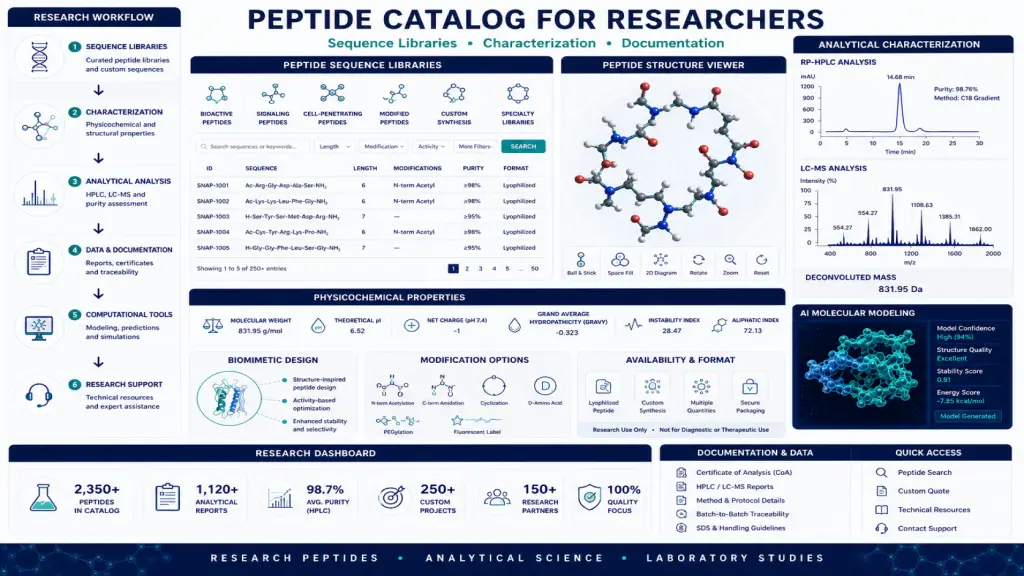
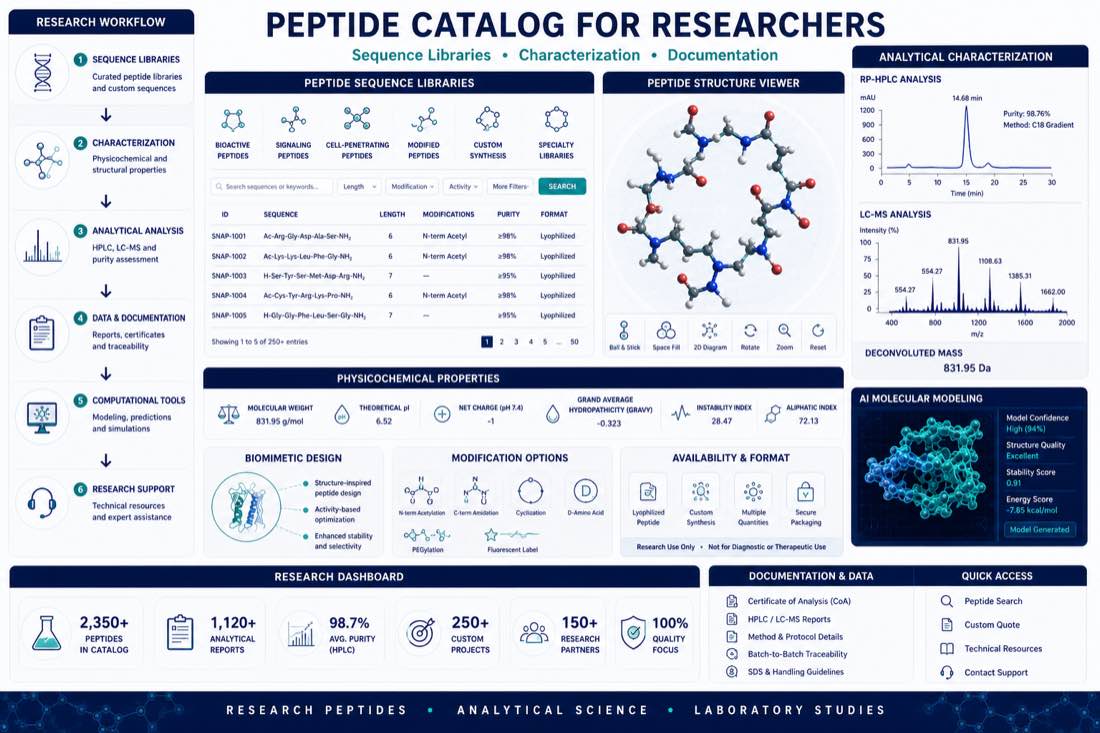
The National Science Labs peptide catalog is a research-only sourcing hub for academic, clinical, and biotech teams that need documented compounds, clear use restrictions, and dependable order support. If you are evaluating research peptides for pre-clinical work in the United States, National Science Labs pairs third-party testing, batch-specific Certificates of Analysis, and product pages that keep research use front and center.
In practical terms, the catalog helps labs move from product review to procurement with less paperwork friction and clearer documentation expectations.
Peptide Catalog: 7 Key Ways National Science Labs Supports Researchers
Scientific Snapshot
| Supplier | NATIONAL SCIENCE LABS, LLC |
| Catalog Type | Research-only peptide sourcing catalog |
| Core Documentation | Third-party testing and batch Certificates of Analysis |
| Purity Positioning | 99%+ across catalog; some products listed at 99.9%+ by HPLC |
| Ordering Support | Visible pricing, bulk options, free U.S. shipping over $200 |
Key Takeaways
- A strong research catalog should make evaluation easier, not just browsing.
- National Science Labs highlights third-party testing and batch COAs for research buyers.
- Product pages keep research-use restrictions visible for pre-clinical workflows.
- Bulk pricing, cold-chain handling, and U.S. support help procurement teams plan recurring orders.
Table of Contents
National Science Labs combines high-purity lyophilized vials, peptide blends, bioregulators, research-grade compounds, related lab supplies, and AI-guided peptide science resources in one place. That means less time chasing paperwork, less uncertainty around batch documentation, and a more efficient path from product review to procurement when your team depends on a reliable peptide catalog.
Peptide Catalog Overview for U.S. Research Labs
National Science Labs supplies a broad peptide catalog style inventory for qualified investigators, lab managers, and procurement teams that need research-use compounds backed by real documentation. This peptide catalog is designed for U.S. research workflows where identity, purity, and use restrictions must be reviewable before purchase.
For labs comparing suppliers, National Science Labs makes the peptide catalog practical to buy from, not just browse. Product pages support purchasing decisions with research-use restrictions, purity claims, and batch COA access, while visible retail pricing and bulk-order options help you plan smaller studies and larger recurring orders with more clarity.
Documentation Note
National Science Labs states 99%+ purity and third-party testing across its peptide offerings.
National Science Labs also pairs product pages with AI-guided science content, which helps research teams screen peptide options and move faster from initial review to internal discussion. When your team needs both supply and supporting context, that combination can reduce the back-and-forth that often slows early-stage purchasing.
This matters most when multiple stakeholders review the same order. A PI may care about mechanism fit, while procurement cares about documentation and landed cost. Clear product pages help both groups work from the same record.
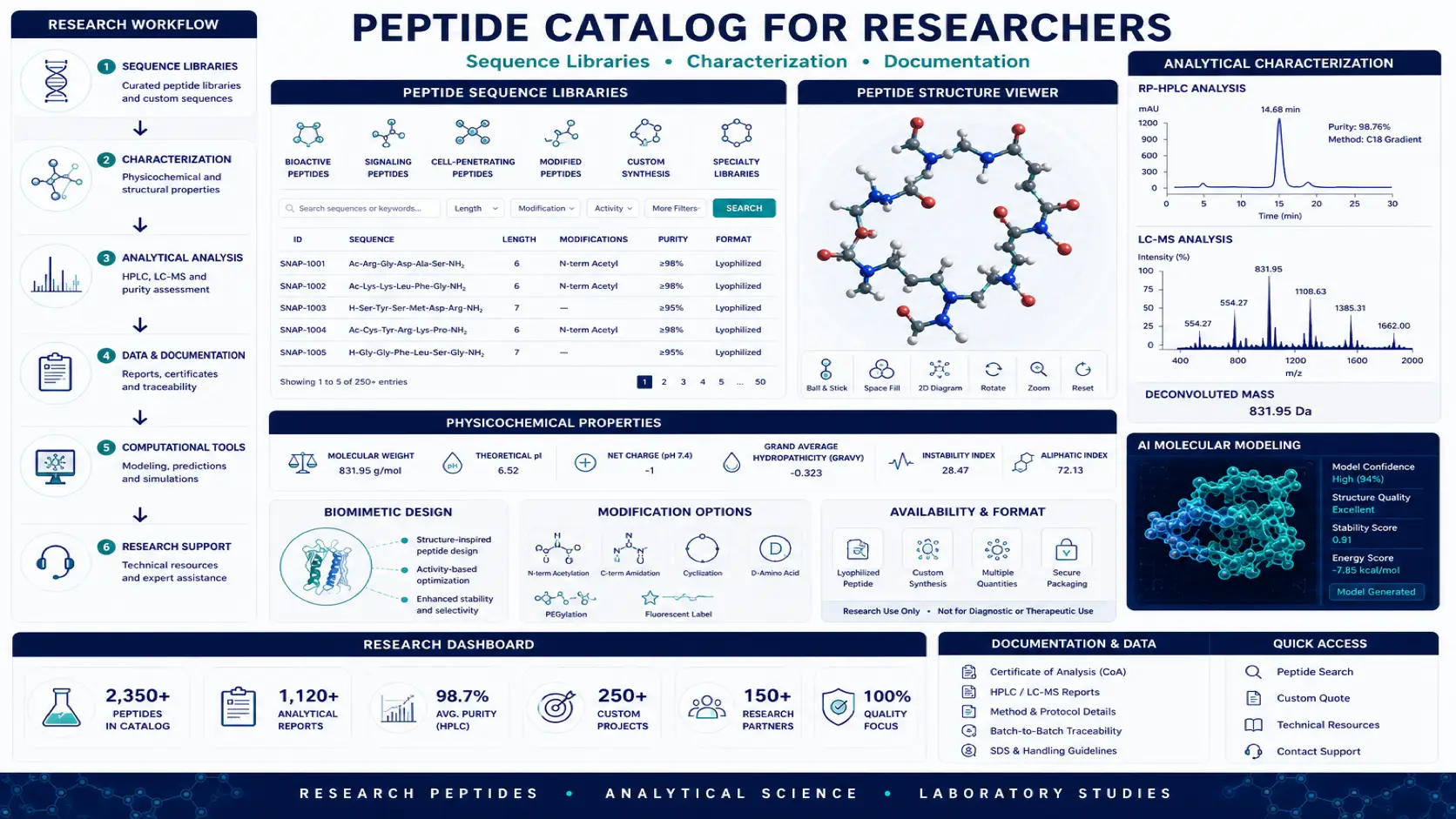
What Inventory Appears in the Peptide Catalog
Here is the kind of research inventory you can source through the National Science Labs peptide catalog:
- Lyophilized research peptides: Cataloged vials intended exclusively for research applications.
- Peptide blends and bioregulators: Useful when your study design calls for more specialized peptide formats.
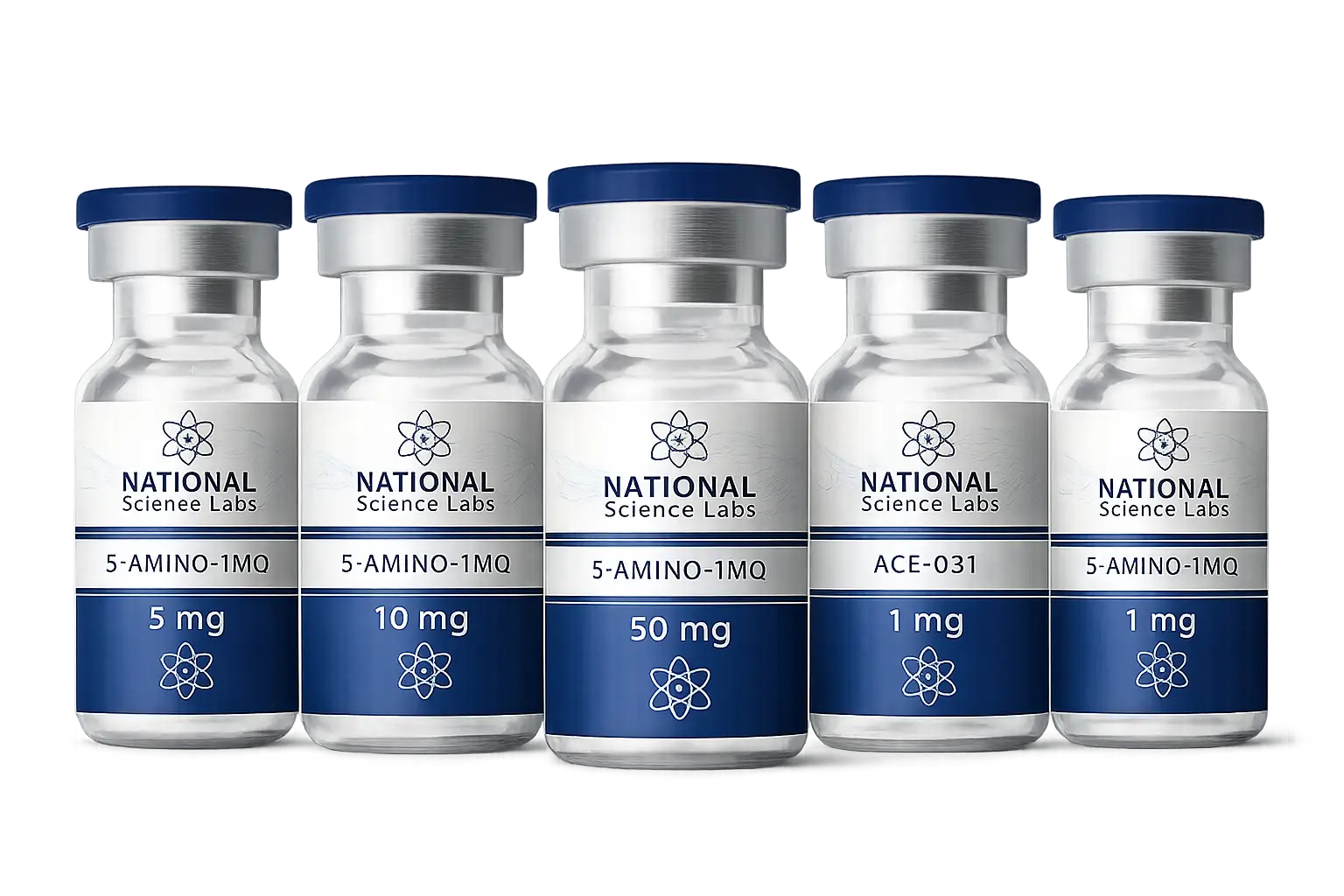
- Related research supplies: GLP-1 and GLP-2 analogs, growth factors, NAD, B12, L-carnitine, and bacteriostatic water to support lab workflows.
That mix matters because many studies need more than a single compound. A useful peptide catalog should help your team source the primary research peptide and the adjacent materials that keep reconstitution, controls, and supporting assays moving without splitting every purchase across unrelated vendors.
Browse the full shop when you are ready to compare product pages, purity details, and documentation pathways side by side. Keep a short peptide catalog shortlist first, then expand only after documentation checks pass.
If your protocol depends on repeated lot continuity, note which SKUs you may reorder before the first purchase. That planning step is easier when pricing and bulk options are visible on the product page.
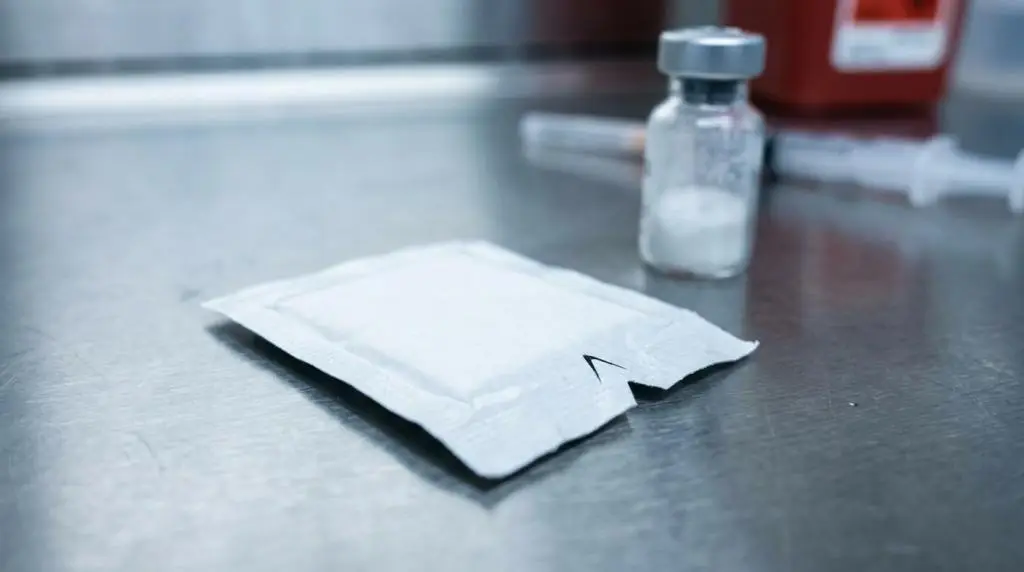

Third-Party Testing, Batch COAs, and Research-Use Rules
National Science Labs is built for researchers who need more than a product name and a checkout button. The peptide catalog is supported by third-party testing and downloadable Certificates of Analysis for each peptide batch, giving your team direct access to documentation before or after purchase as part of the evaluation process.
Documentation checks that matter
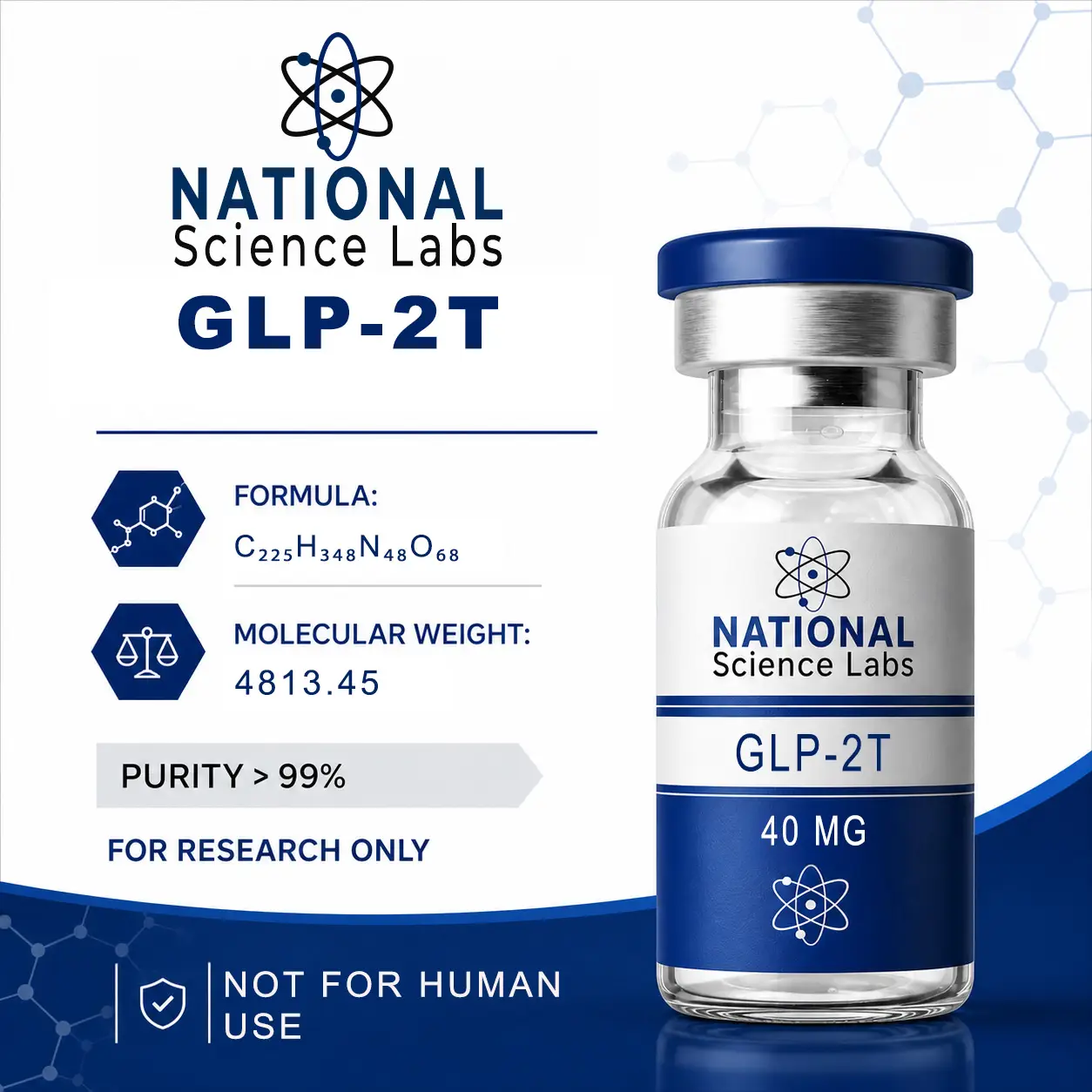
On specific product pages, National Science Labs provides even more detailed batch information. For example, the GLP-2T listing states independent third-party verification of 99.9% or higher purity by HPLC, identity confirmation by mass spectrometry, and a COA for each batch, which gives procurement and research teams concrete records tied to the lot they are ordering.
Analytical Tip
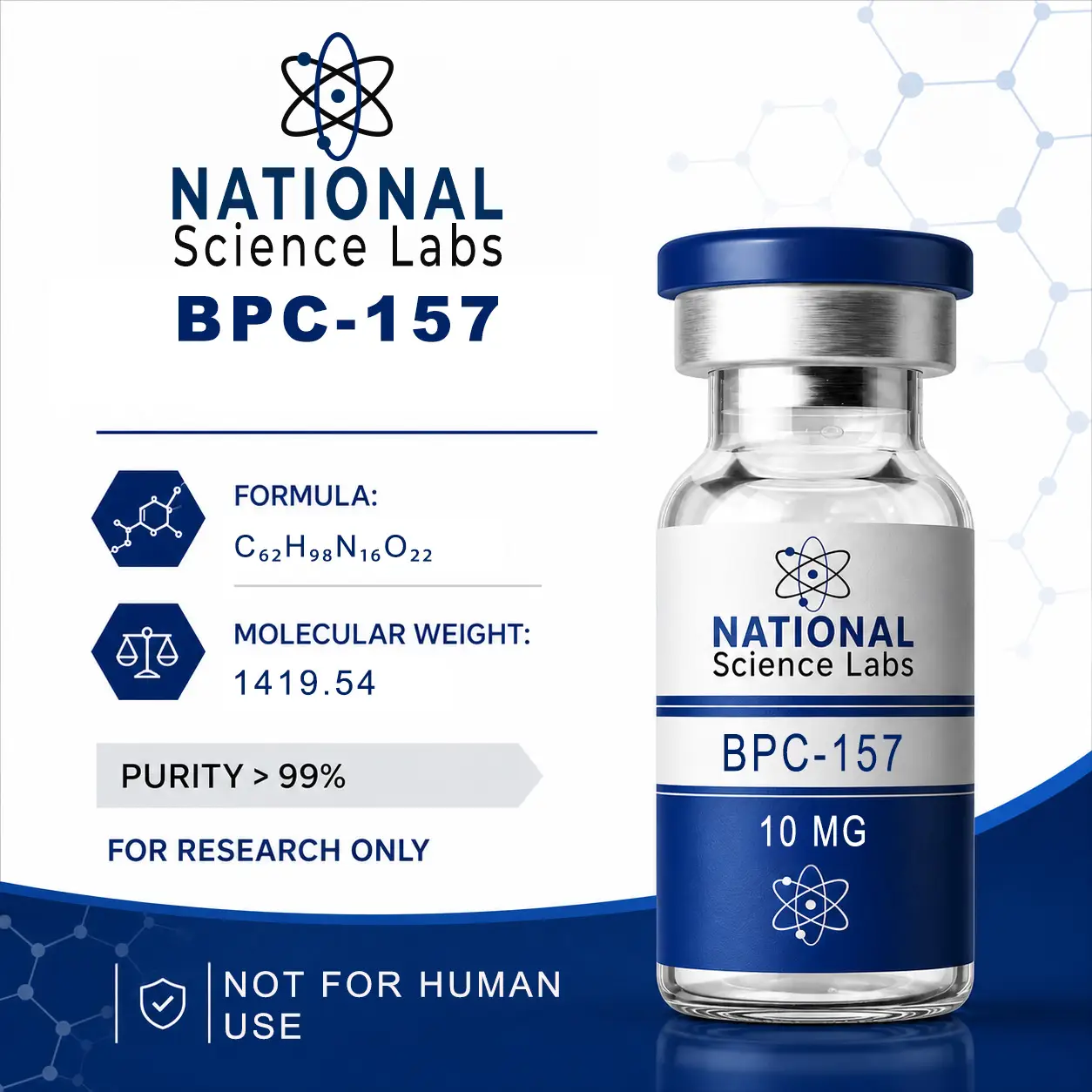
National Science Labs lists some products at 99.9% or higher purity by HPLC, with identity verified by mass spectrometry and a COA for each batch.
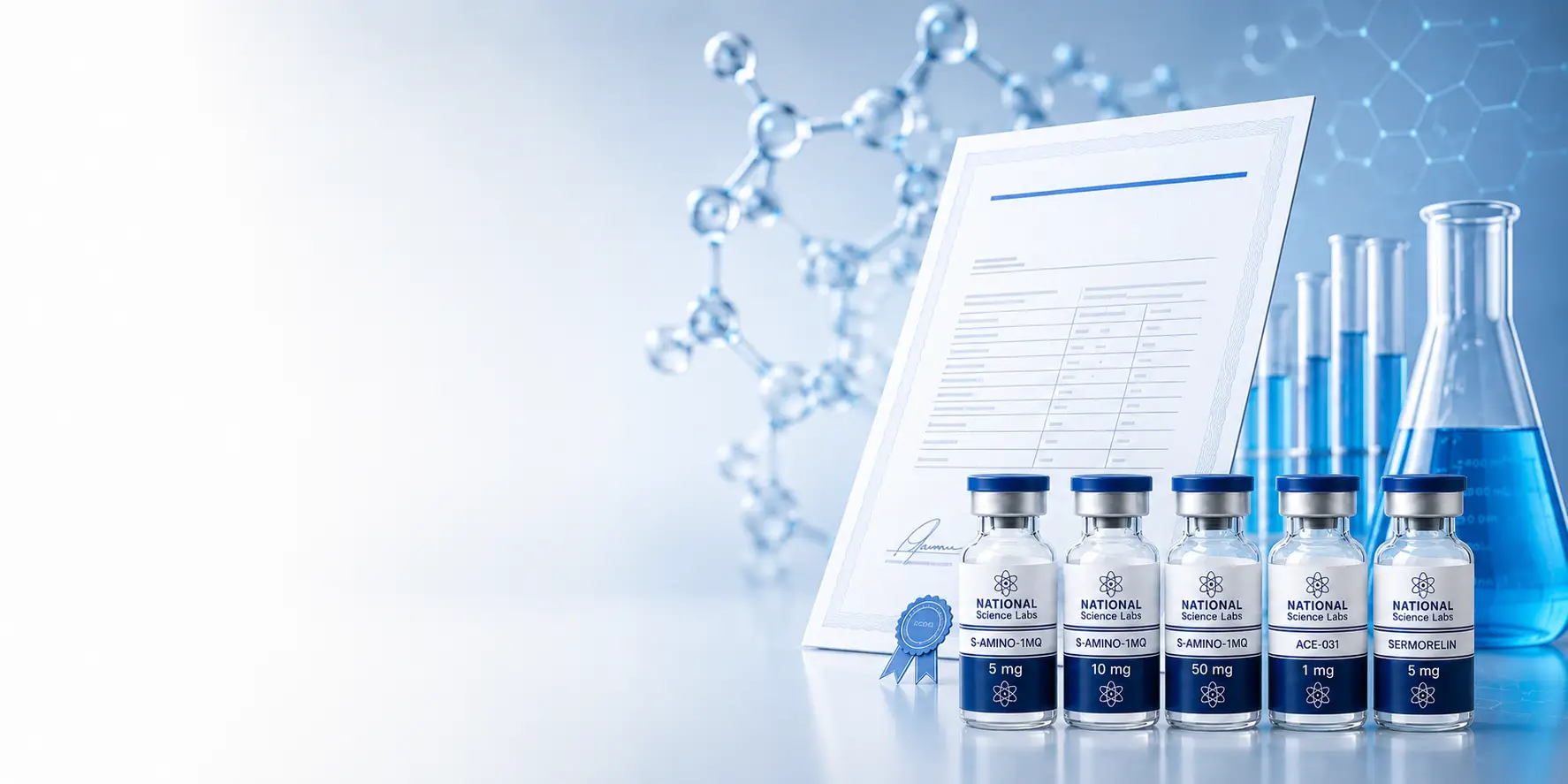
Why lot records reduce review friction
That level of documentation matters when your institution or sponsor expects clear records for identity, quality, and purity. The peptide catalog helps you avoid guesswork by keeping research-use restrictions visible and by stating that certain products are supplied exclusively for in vitro and in vivo pre-clinical research by qualified investigators.
FDA guidance materials also underscore why analytical documentation and impurity control matter in peptide quality discussions. A peptide catalog that surfaces batch records early makes those reviews easier for internal QA and purchasing stakeholders.
Teams should still treat every COA as a review document, not a rubber stamp. Ask whether the method set matches the peptide complexity, whether lot numbers align with the vial you receive, and whether your archive process can retrieve the same file weeks later.
Store COAs with receiving logs.
Match lot numbers before materials enter shared freezers.
Escalate ambiguous paperwork before assay work begins.
Shipping, Bulk Orders, and Lab Support for Catalog Buyers
The peptide catalog supports both single-project purchasing and larger-volume planning. We offer free U.S. shipping on orders over $200, bulk-order pricing for labs that need more efficient replenishment, and strict cold-chain plus quality-controlled handling to protect product integrity from fulfillment through delivery.
Ordering Note
National Science Labs offers free U.S. shipping on orders over $200, along with bulk-order pricing for research buyers.
Fulfillment terms procurement teams notice
For many labs, those details improve more than convenience. National Science Labs gives procurement teams a clearer view of landed ordering terms, while cold-chain and quality-controlled handling help reduce avoidable delays tied to storage or shipping concerns.
Support hours and contact clarity
Support is also easy to locate and verify. National Science Labs lists customer support hours as Monday through Friday, 9:00 AM to 5:00 PM EST, and provides a mailing address at 236 E. MAIN ST, STE 47
SEVIERVILLE, TN 37862, USA, so your team has a defined point of contact when questions come up around orders, documentation, or bulk purchasing from the peptide catalog.
Our policies are stated plainly as well. For example, opened vials are ineligible for return or refund, which helps set expectations before purchase and reduces surprises during receiving or inventory review.
If your group places recurring orders, establish an internal cadence for inventory checks and COA filing. A predictable process usually outperforms last-minute purchasing when assays are already scheduled.

When This Peptide Catalog Fits Your Study
This peptide catalog is a strong fit when your team needs a research-only peptide supplier that is investigated in models of documentation as part of the product, not an afterthought. If your buying process includes COA review, third-party test verification, visible research-use restrictions, U.S. shipping considerations, and the option to discuss bulk orders, the National Science Labs offering is aligned with that workflow.
National Science Labs is especially useful when you want one supplier that can support both specialized peptide sourcing and adjacent lab needs. Being able to order peptides, related research compounds, bacteriostatic water, and supporting documentation through one research-focused channel can simplify internal coordination.
You are likely a good fit for National Science Labs if you need:
- Documented peptide batches: Third-party testing and Certificates of Analysis available for review.
- Research-only positioning: Product pages that keep pre-clinical research restrictions explicit.
- Procurement-friendly ordering: Visible pricing, bulk-order options, and free U.S. shipping over $200.
If your team values quick answers during vendor review, National Science Labs also offers responsive, case-by-case support rather than a one-size-fits-all process. That is useful when a project has specific documentation needs, recurring order patterns, or internal review steps that require direct communication.
How to Evaluate a Peptide Catalog Before Ordering
Use a short checklist before you commit budget:
- Confirm research-use boundaries. The product page should state research-only intent clearly.
- Review batch documentation. A downloadable COA should identify the lot and analytical method language your reviewers expect.
- Match inventory to workflow. Prefer a supplier that can cover primary compounds and adjacent supplies.
- Check fulfillment terms. Shipping thresholds, cold-chain handling, and return rules affect total study cost.
- Test support responsiveness. Ask one documentation or bulk-order question before the first large purchase.
FDA materials on bulk drug substances used in compounding also remind teams that characterization and safety information can vary widely across peptide substances. Even for research procurement, that is a reason to keep documentation review disciplined.
Keep the evaluation short.
Write down the mechanism or assay need first.
Then compare only the entries that can support that need with clear records.
Procurement Checklist
Archive the COA with the receiving record.
Match lot numbers before vials enter shared storage.
Note any cold-chain exceptions on arrival.
Keep one owner responsible for documentation follow-up.
A final practical tip: do not mix characterization notes from one lot with assay results from another unless your study design explicitly handles lot bridging. The same discipline applies whether you order one vial or build a recurring schedule from the same peptide catalog.
Next Step for Research Teams
If you are ready to source from a peptide catalog built for pre-clinical work, explore National Science Labs and review the product pages, purity details, and batch COAs that matter to your study. When you need a research supplier with documented peptides, clear ordering terms, and U.S.-based support, National Science Labs is ready to help you place the right order.
Start with the compounds that map to your assay plan, then expand only after documentation and receiving workflows are confirmed for your selected peptide catalog items. That keeps purchasing useful as a research system, not just a shopping list.
For additional quality context, review current FDA guidance documents relevant to peptide characterization and quality expectations, then align your internal checklist to the same standards your reviewers already recognize.
When your shortlist is ready, open the relevant product pages, download the COAs, and confirm shipping and bulk terms before funds are committed. That sequence usually produces cleaner internal approvals and fewer receiving surprises.
Receiving Workflow
Set a simple receiving workflow before your first order arrives. Photograph packaging when damage is suspected, confirm vial counts against the packing list, and file the COA under the same lot number used in inventory software.
Same-day intake reduces the chance that research staff pull materials before documentation is attached. Delayed paperwork is a common source of mismatched lot records during later audits.
Train a backup owner so intake quality does not depend on one person. A short checklist usually outperforms long SOPs that nobody opens under time pressure.
Study Planning Tip
If your study will run across multiple weeks, reserve enough material from one lot to complete screening and confirmatory assays when shelf life and budget allow.
Lot continuity is often more valuable than buying the absolute lowest unit price across mixed batches.
Document any intentional lot change in the lab notebook so later reviewers can interpret assay drift correctly.
Internal Review Script
Give reviewers a one-page brief before the purchase request: assay goal, candidate peptide catalog SKUs, COA links, shipping threshold, and who owns receiving.
That brief cuts repeated email threads and keeps scientific and purchasing stakeholders aligned.
Include a sentence on research-only use so compliance questions are answered up front.
Attach the product URLs so nobody has to hunt through the store during committee review.
Common Sourcing Mistakes
Ordering before confirming reconstitution supplies are on hand.
Filing COAs in personal inboxes instead of a shared lot archive.
Switching lots mid-study without documenting the change.
for studying purity percentage as the only quality signal when identity and impurity context also matter.
Scaling from Pilot to Recurring Orders
Pilot orders are useful for verifying documentation quality and receiving discipline. Once that process is stable, bulk pricing can reduce administrative overhead for recurring studies.
Before scaling, confirm storage capacity, thaw or reconstitution SOPs, and who updates inventory counts after each shipment.
A clean pilot file becomes the template for later orders, which is usually faster than reinventing procurement steps every month.
Keep the same review checklist even after the team becomes comfortable with the peptide catalog supplier.
Documentation Archive Habit
Create one shared folder structure for every purchase: order date, SKU, lot number, COA file, and receiving photo if needed.
Name files consistently so a reviewer can find evidence without asking the original buyer.
Quarterly spot checks of five random lots usually reveal whether the archive habit is holding.
If records are missing, fix the process before the next large order rather than after an audit request.
Assay Readiness Check
Before vials are opened, confirm reconstitution supplies, storage assignment, and which assays will consume the lot.
Opening stock without a plan is how documentation and inventory drift begin.
Assign assay ownership in the same note that records the lot number.
That single habit protects both scientific interpretability and procurement accountability.
Research Disclaimer
Important Research Disclaimer: This article is for educational and research procurement guidance only. Products offered by National Science Labs are intended for laboratory research use only and are not approved by the FDA for human consumption. This content does not constitute medical advice. Always follow institutional policies and applicable regulations when sourcing research materials.
Explore Related Peptide Research
Browse additional educational resources on peptide characterization, analytical methods, and laboratory documentation in the National Science Labs research library.
Frequently Asked Questions About Peptide Catalog: 7 Key Ways National Science Labs Supports Researchers
1. What is the research focus of this article?
This article reviews peptide catalog: 7 key ways national science labs supports in an educational laboratory context, emphasizing molecular framing, analytical documentation, and study-design considerations.
2. Is this content intended for human use?
No. National Science Labs materials and educational articles are for research use only and are not for human consumption.
3. Why do laboratories review certificates of analysis?
COA documentation supports identity and purity verification workflows so experimental lots remain traceable across repeats and collaborating sites.
4. How should teams use this guide?
Use it to align terminology, documentation expectations, and literature-informed study planning. Validate all methods under institutional laboratory protocols.